Planning Exterior Home Improvements for Lasting Value
Exterior home improvements are often approached as cosmetic upgrades, but they are much more than that. The exterior protects your home from weather, moisture, pests, and natural wear, while also contributing significantly to property value. Many homeowners make the mistake of prioritizing aesthetics over durability, investing in upgrades like fresh paint, new landscaping, or decorative fixtures while ignoring underlying problems. This approach can lead to recurring repairs, unnecessary expenses, and frustration over time. Understanding your home’s exterior as a system—where the roof, siding, foundation, and landscaping interact—helps homeowners make smart decisions that save money and effort in the long term.
A well-coordinated plan ensures that protective, functional upgrades are addressed before cosmetic changes. For example, repairing water leaks and improving drainage before painting or landscaping preserves those investments. Sequencing work efficiently prevents costly rework; repainting surfaces damaged by an unresolved roof leak, for instance, wastes both time and money. Strategic planning also helps homeowners allocate their budget across projects, prioritizing improvements that provide the greatest long-term value.
This guide provides step-by-step guidance for evaluating your exterior, prioritizing improvements, hiring qualified professionals, and maintaining your upgrades over time. By following these strategies, homeowners can create a resilient, beautiful exterior that delivers lasting value, improves curb appeal, and reduces ongoing maintenance. These strategies allow you to plan upgrades in a logical, cost-effective way, ensuring every improvement contributes to the home’s protection, aesthetics, and long-term performance.
Evaluating Your Home’s Exterior Condition Before Planning

The first step in any exterior improvement plan is a comprehensive evaluation of your home’s current condition. Understanding the state of your roof, siding, foundation, and drainage helps you identify urgent repairs versus aesthetic upgrades. Many homeowners underestimate how interconnected exterior systems are; a minor roof leak can compromise siding, attic insulation, and even structural elements if left unaddressed. Documenting problems early prevents surprises, keeps the project on budget, and ensures that protective upgrades are prioritized.
A detailed assessment starts with a slow, thorough walk around your property. Observe your home from multiple angles and distances, noting both small and obvious defects. Photographs, sketches, and written notes help track problem areas and serve as a reference during planning. Assessing your home in different weather conditions—wet, dry, or frozen—can reveal hidden issues like moisture intrusion, drainage problems, or ice dam risks.
Key areas to evaluate include rooflines, shingles, flashing, and gutters; siding surfaces, seams, and trim; foundation walls and visible cracks; windows and doors; and how water drains around the property. Issues related to roofing are critical because they often affect multiple systems inside the home. Missing shingles, sagging areas, or granule buildup in gutters can compromise interior ceilings, insulation, and structural framing. Identifying areas that may require local roof repair allows you to schedule targeted fixes rather than full replacements, often saving significant time and cost. A thorough exterior assessment sets the foundation for effective planning, helping homeowners prioritize improvements that have the greatest impact on safety, durability, and long-term value.
Prioritizing Projects That Protect the Home Structure
After evaluating your home, it’s important to prioritize projects that safeguard its structure before focusing on aesthetic enhancements. Water management is a top concern; moisture intrusion can damage foundations, framing, insulation, and interior finishes. Addressing these vulnerabilities early prevents a chain reaction of repairs and protects any future upgrades.
High-priority projects often include repairing roof leaks, sealing foundations, addressing compromised siding, and ensuring proper grading around the home. A professional waterproofing service can provide critical guidance by identifying areas prone to water penetration and recommending solutions such as exterior sealing, drainage improvements, or foundation protection systems. These preventive measures are often unseen but play a crucial role in long-term durability.
Working with a siding company ensures your exterior envelope is both functional and weather-resistant. Properly installed siding protects against moisture and pests while enhancing energy efficiency. Prioritizing structural protection first also prevents costly damage to other upgrades. For example, exterior painting or landscaping applied before addressing foundational or siding issues can deteriorate quickly if underlying problems persist. By focusing first on systems that maintain the home’s integrity, you create a stable foundation for all subsequent projects, reducing maintenance needs and maximizing the long-term value of your exterior improvements.
Planning Surface Upgrades for Durability and Visual Impact
Once structural and protective improvements are addressed, surface upgrades like painting or siding finishes can transform your home’s appearance while adding a layer of protection. These enhancements improve curb appeal and comfort while increasing the lifespan of your exterior materials. However, their longevity depends heavily on proper preparation and material selection.
Surface upgrades require evaluating existing materials, identifying areas that need repair, and selecting finishes suited to your climate. For example, exterior painting is most effective when underlying surfaces are clean, dry, and properly primed. Skipping these steps may lead to premature peeling, discoloration, or water infiltration. Coordinating color and texture across your home’s exterior also creates a cohesive and visually appealing design, increasing perceived value and neighborhood appeal.
Timing is another key factor. Completing surface upgrades after protective repairs prevents damage from unresolved issues such as leaks or poor drainage. When planned strategically, these projects enhance both aesthetics and function, giving your home a refreshed appearance while contributing to its long-term durability. Properly executed surface improvements ensure that your investment in both beauty and protection stands the test of time, increasing resale value while reducing future maintenance requirements.
Managing Trees and Vegetation to Prevent Property Damage
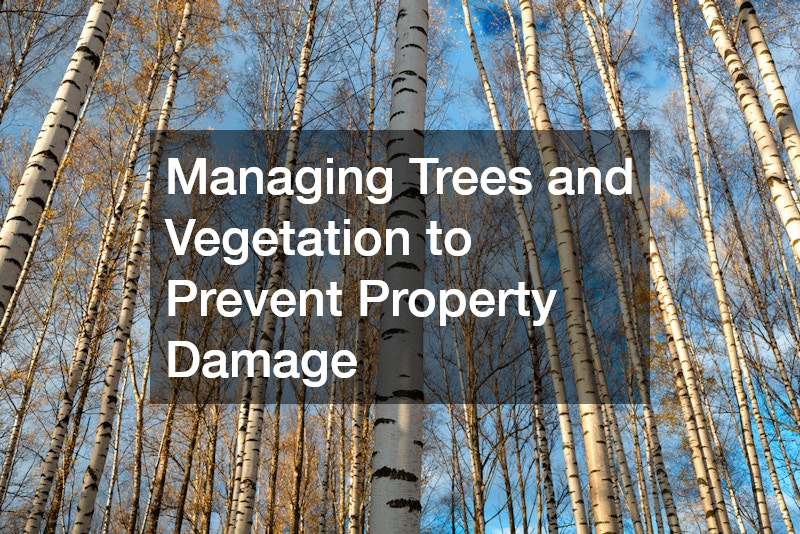
Trees and vegetation enhance the beauty and energy efficiency of a property, but they can also create risks if improperly managed. Overgrown branches can damage roofs and siding, while large or unstable trees can threaten foundations or walkways. Roots growing under structures may compromise driveways, patios, or underground utilities. Managing vegetation is, therefore, a critical part of exterior improvement planning.
Start by evaluating all trees near your home. Identify branches that overhang roofs, gutters, or power lines, and assess tree health and stability. A local tree service can provide professional assessment and guidance on trimming or removal, reducing risks and ensuring proper tree care. In cases where trees are diseased, unstable, or too close to the house, a tree removal service may be necessary. Removing dangerous trees proactively prevents future property damage and keeps your exterior improvements intact.
Strategic vegetation management also improves sunlight penetration and air circulation, reducing moisture buildup on roofs and siding. Combined with routine pruning and monitoring, these practices preserve both safety and aesthetic appeal. Properly maintained vegetation protects your home, enhances curb appeal, and complements other exterior improvements like painting, siding, and landscaping, ensuring your investment remains secure for years to come.
Designing Landscaping That Enhances and Protects the Home
Landscaping is more than a decorative feature—it plays a critical role in protecting your home and supporting long-term exterior performance. Thoughtful landscaping can improve drainage, reduce soil erosion, prevent foundation issues, and increase curb appeal. Poorly planned landscaping, however, can damage structures, create maintenance headaches, and compromise previous improvements.
Effective landscaping begins with understanding water flow across the property. Proper grading directs water away from the foundation, while the placement of plants, trees, and hardscaping elements minimizes moisture accumulation against walls and siding. Working with a local landscaper ensures designs are functional, aesthetic, and suited to your property’s unique conditions. They can recommend plant types, placement strategies, and hardscape solutions that enhance both performance and appearance.
Visiting a local plant store allows homeowners to select appropriate shrubs, flowers, and trees that thrive locally, reducing the need for irrigation and maintenance. Combining thoughtful plant selection with proper grading and drainage planning helps prevent structural damage while adding long-term beauty. Well-designed landscaping works in harmony with protective exterior systems, supporting drainage, reducing maintenance, and enhancing the overall value and appearance of your home.
Hiring the Right Professionals for Exterior Projects
Exterior projects often require specialized knowledge, and hiring the right professionals ensures your improvements are done safely, efficiently, and correctly. Whether you need roof repairs, siding installation, painting, or tree management, experienced professionals bring expertise that prevents costly mistakes and ensures long-term performance.
Before hiring, research contractors’ credentials, experience, and portfolios. Ask for references and verify licenses and insurance coverage. Ensure clear communication about timelines, responsibilities, and warranties. Professionals who coordinate well with other trades reduce delays and improve project quality.
For roofing and related work, hiring an experienced roofer ensures proper material installation, ventilation, and flashing, preventing leaks and structural issues. A professional roofer can also identify hidden risks, such as areas prone to moisture or damage, and recommend targeted solutions. Investing time in selecting skilled professionals reduces stress, protects your investment, and maximizes the lifespan and performance of your exterior upgrades.
Sequencing Exterior Improvements for Maximum Efficiency
Proper sequencing of exterior improvements minimizes disruption, prevents rework, and ensures that each project complements others. The order of work should follow a logical progression: addressing structural issues first, then protective measures, surface finishes, and finally landscaping and decorative elements.
Starting with structural and water management projects, such as roof repairs, foundation sealing, and drainage improvements, prevents damage to subsequent upgrades. Next, siding, painting, or other surface improvements should be completed to avoid costly rework. Landscaping and vegetation work should be done after major construction to prevent damage from equipment or debris.
Seasonal timing also matters. Certain materials require dry conditions for proper curing, and landscaping is best scheduled for optimal planting seasons. Clear sequencing and planning save both time and money, ensuring that each exterior improvement enhances the others and delivers lasting value.
Budgeting for Exterior Improvements Without Cutting Corners
Creating a realistic budget is crucial for effective exterior improvement planning. While it may be tempting to cut costs on certain projects, doing so often results in higher long-term expenses due to premature failure or repeated repairs.
Start by categorizing expenses into structural, protective, surface, and aesthetic improvements. Allocate contingency funds for unexpected issues, especially in older homes. Prioritize projects that prevent future damage, such as waterproofing or roofing repairs, before cosmetic upgrades. Phasing non-essential improvements over time can also help manage cash flow without sacrificing quality.
Consider long-term value rather than just upfront costs. Investments in protective measures and high-quality materials often pay off through reduced maintenance, increased durability, and higher resale value. A carefully planned budget ensures your exterior improvements are both effective and sustainable.
Maintaining Exterior Improvements After Completion
Once projects are completed, ongoing maintenance ensures your investments continue performing as intended. Regular inspections, cleaning, and minor repairs prevent small issues from escalating into costly problems.
Maintenance tasks include cleaning gutters, inspecting caulking and seals, washing painted or siding surfaces, trimming vegetation, and monitoring drainage. Keeping records of service dates, warranties, and contractor contacts simplifies future upkeep and resale documentation.
Routine maintenance preserves the value, appearance, and structural integrity of your exterior improvements. A proactive approach reduces unexpected repairs, enhances curb appeal, and maximizes the lifespan of your investments, ensuring long-lasting satisfaction with your home
Planning exterior home improvements strategically transforms individual projects into a cohesive system that protects and enhances your home. Evaluating conditions, prioritizing structural protection, sequencing projects, hiring skilled professionals, and maintaining upgrades consistently ensures your investments deliver long-term results. By approaching exterior improvements holistically, you can anticipate potential problems before they arise, make informed decisions about materials and design, and allocate your budget in a way that maximizes value while reducing unnecessary expenses. This strategy not only preserves the physical integrity of your home but also enhances its energy efficiency, safety, and overall livability, providing benefits that extend far beyond aesthetics.
A well-executed plan minimizes stress, prevents repeated repairs, and creates a home that looks beautiful and functions efficiently. Exterior improvements become more than cosmetic upgrades—they provide lasting protection, increased comfort, and long-term value for years to come. Moreover, a carefully considered plan allows homeowners to adapt their property over time as needs change, ensuring that landscaping, roofing, siding, and other exterior features continue to work in harmony. Thoughtful planning also strengthens curb appeal, boosts property value, and gives you confidence that each investment supports a durable, safe, and attractive home for the long term.