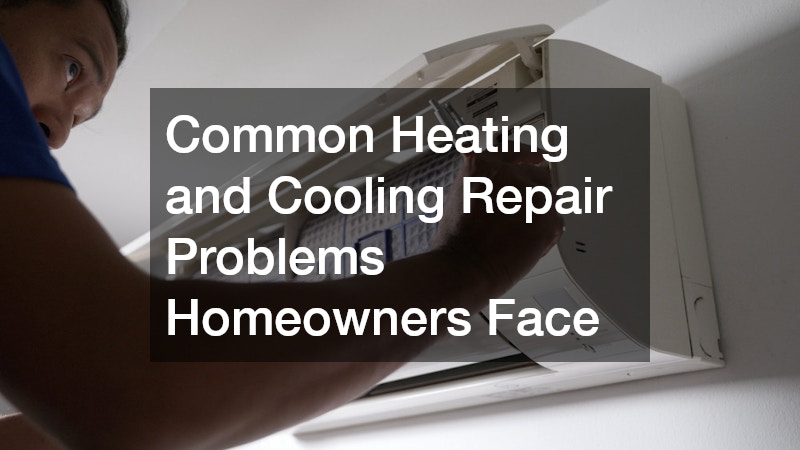
Common Heating and Cooling Repair Problems Homeowners Face
A reliable HVAC system keeps your home comfortable throughout every season, but even the best systems eventually develop problems. Many homeowners ignore early warning signs because the equipment still seems to work “well enough.” Unfortunately, small issues often turn into major repairs when they are left untreated for too long.
From weak airflow and thermostat malfunctions to water leaks and electrical failures, HVAC problems can affect your comfort, energy bills, and indoor air quality. Understanding the most common repair issues can help you recognize trouble early and avoid expensive breakdowns.
This guide explains the most frequent HVAC problems homeowners face, how to identify them, and what steps you can take to protect your system and your home.
Why Weak Airflow Often Signals Bigger System Problems
Poor airflow is one of the most frustrating household comfort issues. If certain rooms feel stuffy while others cool properly, your HVAC system may already be struggling with hidden mechanical or airflow-related problems.
Many heating and cooling systems lose efficiency gradually, which makes the issue harder to notice at first. Over time, reduced airflow forces the system to work harder, increasing wear and tear while raising energy costs.
Check and Replace Dirty Air Filters Regularly
Clogged air filters are one of the simplest yet most common causes of poor airflow. Dirty filters restrict circulation and make the blower motor strain to move air throughout the home.
Homeowners should:
- Replace filters every 1–3 months
- Check filters more often if pets are present
- Use the proper filter size and rating
- Avoid overly restrictive filters unless recommended by a technician
Inspect Vents and Registers for Obstructions
Blocked vents reduce airflow and create uneven temperatures throughout the house. Furniture, rugs, curtains, and dust buildup commonly interfere with proper circulation.
Walk through your home and check:
- Supply and return vents
- Furniture placement near registers
- Dust buildup inside vent covers
- Closed vents that disrupt system balance
Ductwork Problems Can Reduce Efficiency
Damaged or leaking ductwork can dramatically lower system performance. Air escaping through cracks or disconnected ducts may never reach living spaces.
Common signs of duct problems include:
- Hot and cold spots
- Dust accumulation around vents
- Excessively high utility bills
- Whistling noises inside walls or ceilings
When these issues appear repeatedly, professional home ac services may be necessary to inspect the entire system and restore proper airflow.
Blower Motor Issues Can Worsen Quickly
The blower motor is responsible for circulating conditioned air through the home. If it begins to fail, airflow weakens significantly.
Warning signs include:
- Grinding or squealing noises
- Weak airflow from multiple vents
- Overheating HVAC components
- Frequent system shutdowns
Prompt repairs can prevent additional damage to the entire HVAC unit.
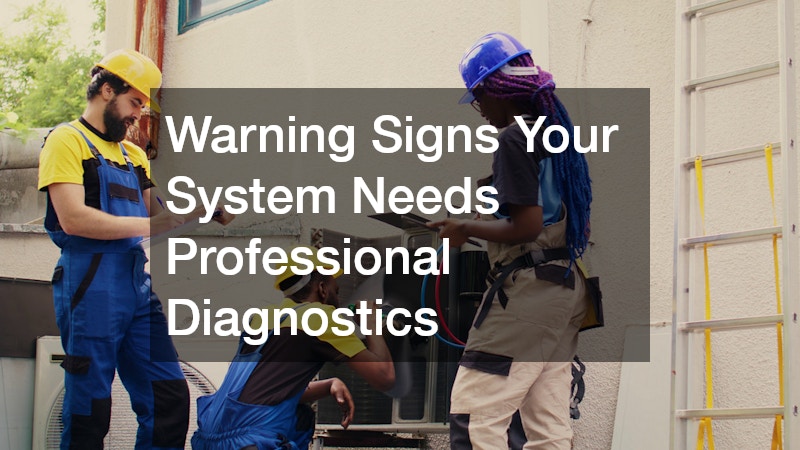
Warning Signs Your System Needs Professional Diagnostics
Many HVAC systems give warning signs long before they stop working entirely. Recognizing those symptoms early can save homeowners thousands of dollars in repair and replacement costs.
An experienced HVAC company can identify hidden issues before they become emergencies.
Strange Noises Should Never Be Ignored
Different sounds often point to different mechanical problems.
For example:
- Banging may indicate loose components
- Screeching often signals motor problems
- Clicking can point to electrical failures
- Hissing sometimes indicates refrigerant leaks
Unusual sounds rarely disappear on their own and usually worsen over time.
Uneven Temperatures Throughout the Home
If one room feels freezing while another stays warm, the HVAC system may be struggling with airflow, thermostat, or ductwork issues.
Common causes include:
- Poor insulation
- Leaking ducts
- Faulty dampers
- Aging equipment
Sudden Energy Bill Increases
Unexpected utility bill spikes often indicate HVAC inefficiency. Even if the system still runs, it may be operating far below peak performance.
Potential causes include:
- Dirty coils
- Refrigerant issues
- Aging motors
- Restricted airflow
Unpleasant Odors From Vents
Musty smells may indicate mold growth, while burning odors can signal overheating electrical components.
Homeowners should never ignore:
- Electrical burning smells
- Persistent mildew odors
- Chemical-like refrigerant smells
- Smoke-like odors during operation
Professional HVAC services can diagnose these problems safely before they become dangerous.
Questions to Ask Before Hiring a Technician
Before scheduling repairs, homeowners should ask:
- Are technicians licensed and insured?
- Is emergency service available?
- Are estimates provided upfront?
- Are warranties included on repairs?
Choosing qualified professionals improves both repair quality and long-term system reliability.
Common Thermostat Problems That Affect Indoor Comfort
Thermostats control the entire HVAC system, so even minor malfunctions can create major comfort issues. Many homeowners assume the HVAC equipment is failing when the thermostat is actually the problem.
Incorrect Settings Can Cause Constant Cycling
Simple programming mistakes often cause systems to turn on and off too frequently.
Common errors include:
- Incorrect fan settings
- Extreme temperature schedules
- Improper calibration
- Dead batteries
Frequent cycling wastes energy and increases equipment wear.
Wiring Problems Can Interrupt Communication
Loose or damaged thermostat wiring can prevent the HVAC system from responding correctly.
Symptoms may include:
- Blank thermostat screens
- Delayed system response
- Random shutdowns
- Temperature inconsistencies
Electrical issues should always be handled carefully to avoid safety risks.
Smart Thermostats Sometimes Misread Temperatures
Modern smart thermostats offer convenience, but poor placement can reduce accuracy.
Avoid installing thermostats:
- Near windows
- In direct sunlight
- Near vents
- In kitchens or bathrooms
Improper placement leads to inaccurate readings and uneven comfort levels.
Upgrading May Improve Efficiency
Older thermostats often lack modern efficiency features. Upgrading to programmable or smart models can improve comfort while lowering energy costs.
Many homeowners schedule HVAC services during thermostat upgrades to ensure compatibility with existing equipment.
Preventing Costly Breakdowns With Seasonal Maintenance
Routine maintenance remains one of the best ways to avoid expensive HVAC repairs. Systems that receive regular care typically last longer, run more efficiently, and experience fewer emergency breakdowns.
Consistent air conditioner maintenance also helps maintain healthy indoor air quality.
Seasonal Maintenance Tasks Matter
Homeowners should prepare HVAC systems before peak heating and cooling seasons.
Important maintenance tasks include:
- Replacing air filters
- Cleaning condenser coils
- Inspecting electrical connections
- Checking refrigerant levels
- Clearing debris around outdoor units
Outdoor Units Need Proper Cleaning
Leaves, dirt, and grass clippings can block airflow around outdoor equipment.
To keep units operating efficiently:
- Maintain at least two feet of clearance
- Remove debris regularly
- Trim nearby vegetation
- Gently rinse condenser coils when dirty
Refrigerant Problems Often Develop Gradually
Low refrigerant levels reduce cooling efficiency and increase strain on compressors.
Signs of refrigerant problems include:
- Warm air from vents
- Ice buildup on coils
- Hissing noises
- Longer cooling cycles
Prompt AC repair service can prevent compressor failure, which is one of the most expensive HVAC repairs.
Small Repairs Should Never Be Delayed
Ignoring minor issues often leads to larger mechanical failures later.
Examples include:
- Loose electrical connections
- Dirty evaporator coils
- Worn capacitors
- Weak blower motors
Fixing these problems early typically costs far less than waiting for a complete breakdown.
Why Your Air Conditioner Keeps Turning On and Off
Short cycling occurs when an air conditioner repeatedly starts and stops before completing a full cooling cycle. This problem increases energy consumption while placing heavy stress on HVAC components.
Professional air conditioning repair services are often necessary to determine the root cause.
Dirty Components Restrict System Operation
When evaporator coils or filters become clogged, airflow decreases and the system overheats.
This can cause:
- Frequent shutdowns
- Reduced cooling
- Frozen coils
- Compressor damage
Oversized Equipment Creates Efficiency Problems
Many homeowners assume larger HVAC systems perform better, but oversized units often short-cycle because they cool spaces too quickly.
This leads to:
- Poor humidity control
- Increased wear and tear
- Higher utility bills
- Inconsistent temperatures
Electrical Problems Can Trigger Shutdowns
Faulty electrical components commonly interrupt system operation.
Potential causes include:
- Damaged capacitors
- Loose wiring
- Faulty relays
- Overloaded circuits
Electrical issues should always be inspected by trained professionals.
Emergency Repairs May Be Necessary
Homeowners should seek immediate repairs if they notice:
- Burning smells
- Tripped breakers
- Smoke
- Loud buzzing noises
- System failure during extreme temperatures
Fast repairs help prevent additional damage and restore home comfort quickly.
Hidden Water Leaks and Drainage Issues Around HVAC Systems
Water leaks are among the most overlooked HVAC problems. Even small leaks can damage flooring, drywall, insulation, and nearby structural materials.
Many homeowners discover these issues only after visible water damage appears.
Condensate Drain Line Clogs Are Extremely Common
Air conditioners naturally remove moisture from indoor air. That moisture drains through a condensate line, which can become clogged with algae, dirt, or debris.
Signs of a clogged drain include:
- Water pooling near equipment
- Musty odors
- Increased indoor humidity
- Water stains on ceilings or walls
Moisture Can Lead to Mold Growth
Excess moisture creates ideal conditions for mold and mildew.
Mold exposure may contribute to:
- Allergy symptoms
- Respiratory irritation
- Unpleasant odors
- Reduced indoor air quality
Regular inspections help identify moisture issues early.
Plumbing and HVAC Problems Sometimes Overlap
Certain leaks involve both HVAC equipment and household plumbing systems. In these cases, professional plumbing services may be necessary alongside HVAC repairs.
Examples include:
- Shared drainage systems
- Water heater leaks near HVAC units
- Condensate pump failures
- Clogged drain connections
Water Damage Can Affect System Performance
Moisture exposure can damage:
- Electrical components
- Insulation
- Ductwork
- Flooring and drywall
Prompt heating and cooling repair helps prevent long-term structural damage while protecting HVAC performance.
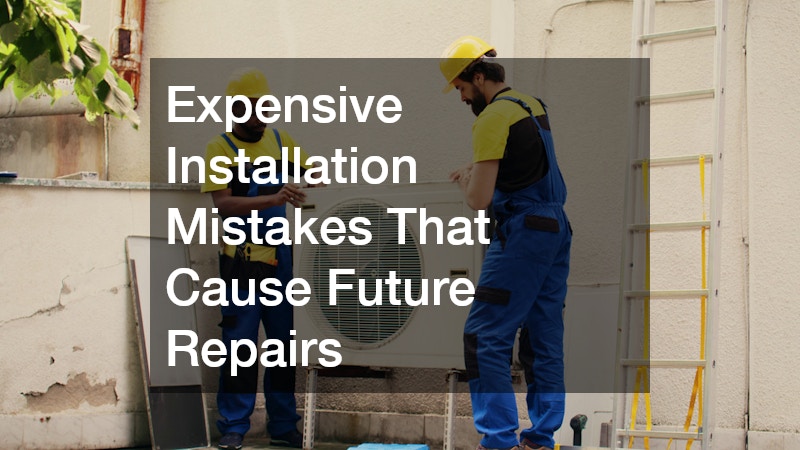
Expensive Installation Mistakes That Cause Future Repairs
Improper installation remains one of the leading causes of HVAC system failure. Even high-quality equipment can perform poorly if installed incorrectly.
Choosing a qualified AC installation company can significantly reduce future repair costs.
Incorrect System Sizing Creates Long-Term Problems
Improper sizing affects efficiency, comfort, and equipment lifespan.
Oversized systems often:
- Short cycle frequently
- Struggle with humidity control
- Wear out faster
Undersized systems may:
- Run constantly
- Fail to cool adequately
- Experience excessive strain
Poor Duct Design Restricts Airflow
Improper duct installation reduces efficiency and creates uneven temperatures throughout the home.
Common duct issues include:
- Sharp bends restricting airflow
- Poor sealing
- Inadequate insulation
- Incorrect sizing
Installation Shortcuts Lead to Early Failures
Some contractors cut corners to reduce labor time.
Examples include:
- Skipping airflow testing
- Improper refrigerant charging
- Loose electrical connections
- Inadequate system calibration
These mistakes may not become obvious until months or years later.
Homeowners Should Verify Installation Quality
Before final payment, homeowners should confirm:
- The equipment operates correctly
- Airflow feels balanced
- Thermostats respond accurately
- All permits and inspections are complete
- Warranty documentation is provided
Proper installation helps reduce future repair expenses while maximizing efficiency.
Simple Troubleshooting Tips Homeowners Can Try First
Not every HVAC issue requires immediate professional repair. In some cases, simple troubleshooting steps can restore operation quickly and safely.
However, homeowners should never attempt repairs involving electrical systems, refrigerant, or gas components.
Check Power Sources First
Sometimes HVAC systems stop working because of basic electrical issues.
Start by checking:
- Circuit breakers
- Thermostat batteries
- Disconnect switches
- Power connections near the outdoor unit
Keep Outdoor Units Clear
Restricted airflow around outdoor equipment reduces performance significantly.
Homeowners should:
- Remove leaves and debris
- Trim vegetation regularly
- Avoid storing items near the unit
- Clean visible dirt buildup carefully
Test Thermostat Accuracy
If temperatures feel inconsistent:
- Compare the room temperature with the thermostat readings
- Replace batteries
- Reset programmed schedules
- Confirm the thermostat is set correctly
Know When Professional Help Is Necessary
Homeowners should contact professionals immediately if they notice:
- Refrigerant leaks
- Electrical burning smells
- Frozen evaporator coils
- Water damage
- Loud mechanical noises
Professional heating and cooling systems contain complex components that require specialized tools and training.
Protect Your Comfort With Proactive HVAC Care
HVAC problems rarely disappear on their own. Small issues such as weak airflow, thermostat malfunctions, unusual noises, or water leaks can quickly become expensive repairs if ignored for too long. Understanding the most common warning signs allows homeowners to take action early and avoid unnecessary stress, discomfort, and rising utility bills.
Routine maintenance, timely inspections, and prompt repairs all play a major role in extending the life of your HVAC system. By staying proactive and addressing problems before they worsen, homeowners can maintain a comfortable indoor environment while protecting one of the most important systems in their home.