10 Early Warning Signs Your HVAC System Is About to Fail
The worst time to realize your home’s climate system is dying is during an intense mid-summer heatwave or an extreme winter freeze. When outdoor temperatures reach extremes, your heating and cooling equipment works at maximum capacity. If critical components are already worn, stressed, or operating past their functional lifespan, that peak strain is precisely when a total mechanical breakdown occurs.
Modern climate control systems rarely fail without notice. Long before a furnace completely stops blowing warm air or an air conditioner shuts down entirely, your system leaves subtle indicators of internal distress. Strange noises, uneven temperatures, unexplained spikes in your monthly electric bill, and rising indoor humidity are all early warning signs that your equipment is struggling to maintain baseline performance.
Ignoring these early indicators turns minor, inexpensive component fixes into catastrophic mechanical failures. A worn belt left unaddressed can destroy a blower motor, while a minor refrigerant issue can overheat and burn out a costly compressor. By learning how to spot the key warning signs of system degradation early, you can take proactive action, schedule timely maintenance, protect your home comfort, and avoid the chaotic expense of emergency replacements.
Warning Signs 1 & 2: Unusual Noises and Unfamiliar Odors
A healthy climate control system operates with a consistent, low background hum. While you should expect the soft click of a relay switch or the gentle rush of air through supply vents when a cycle begins, any dramatic change in operational sound or air quality signals internal trouble.
When internal mechanical parts wear out, slip, or break free, they create distinct sounds that correspond to specific component failures. Listening closely to your system helps you communicate exact symptoms to a technician before a total shutdown occurs:
-
Squealing or Screeching: A high-pitched squeal usually indicates a slipped or frayed serpentine belt in older blower assemblies, or motor bearings that have completely lost lubrication. Catching this early prevents the belt from snapping mid-cycle.
-
Metal-on-Metal Grinding: A harsh grinding noise means the bearings inside your blower motor or outdoor fan motor have worn down completely. If you hear grinding, turn off the system immediately to prevent the motor shaft from seizing or damaging the surrounding housing.
-
Banging or Loud Clunking: Loud thumps inside the air handler point to a loose balance weight on the blower wheel, a disconnected connecting rod, or a motor that has broken free from its rubber isolation mounts.
-
Persistent Hissing or Whistling: High-pitched whistling near cabinet seams usually points to severe static pressure issues or clogged filters, while an audible hissing sound near outdoor coils often indicates high-pressure refrigerant escaping through a pinhole leak.
Addressing a squealing belt or a failing compressor unit early through timely air conditioner repair prevents minor mechanical strain from spreading throughout the entire cooling loop. Similarly, catching rattling heat exchangers or failing draft inducer motors by scheduling prompt Heating repair eliminates safety hazards before winter sets in.
Your system should never emit strong or foul smells into your living spaces. Foul odors entering through your supply vents indicate biological growth, overheating electrical insulation, or dangerous fuel combustion issues.
A persistent musty smell—often called “dirty sock syndrome”—occurs when bacterial algae and mold build up on damp evaporator coils or inside dark drip pans. When the blower turns on, it distributes these spores throughout your house. On the other hand, an acrid, metallic smell resembling burning plastic or hot wire insulation signals electrical overheating. If a circuit board, transformer, or motor winding begins to melt, it poses an immediate fire hazard. Finally, a sudden smell of rotten eggs points to a natural gas leak near your furnace, requiring an immediate evacuation of the home and a call to your local gas utility.
Warning Signs 3 & 4: Inconsistent Temperatures and Weak Airflow
Your heating and cooling equipment is sized specifically to distribute conditioned air evenly throughout your entire home. When internal components lose operational capacity, the system struggles to maintain balanced temperatures and consistent static pressure across all zones.
If certain rooms in your home feel uncomfortably warm while others remain icy cold, your climate control system is losing its ability to move air effectively. While poor duct design or insulation voids can cause minor temperature variances, sudden hot and cold spots usually point to failing hardware.
A classic symptom of severe system degradation is short-cycling. Short-cycling occurs when the system turns on, runs for three to five minutes, shuts off abruptly without reaching the thermostat setpoint, and then turns back on a few minutes later. This rapid cycling prevents air from circulating fully to distant rooms, leaving your home with extreme temperature swings.
Short-cycling is extremely damaging. Starting an electric motor consumes up to five times more electrical current than running it continuously. Rapid cycling rapidly overheats internal capacitors, strains relay switches, and subjects the compressor to intense thermal shock. Working with professionals experienced in balancing heating and cooling across complex duct networks helps pinpoint whether short-cycling stems from an oversized system, a clogged filter, or failing thermal sensors. Reaching out to qualified heating and air conditioning companies ensures that airflow pressures, refrigerant charges, and duct damper balances are properly restored.
Evaluating Reduced Air Pressure at the Vents
Weak airflow leaving your supply registers is a direct sign of restricted intake or failing air movement hardware. If you hold your hand up to a register and feel only a faint breeze, your system is working twice as hard to move a fraction of the required air volume.
Check these common causes of restricted airflow:
-
Severely Clogged Air Filters: Dust buildup restricts incoming air, starving the blower motor and causing evaporator coils to freeze into solid ice.
-
Collapsing or Disconnected Ductwork: Flexible ducts in attics or crawlspaces can tear, sag, or become disconnected, blowing conditioned air into unconditioned spaces.
-
Failing Blower Motor Capacitors: Weak run capacitors cause the blower fan to spin at a fraction of its intended RPM, drastically reducing supply velocity.
-
Blocked Evaporator Coils: Dirt layer accumulation across the aluminum fins blocks air from passing through the cooling coil matrix.
Warning Signs 5 & 6: Unexpected Financial Spikes and Moisture Accumulation
Your monthly utility bills offer a clear, objective metric for measuring equipment performance. When internal components degrade, electrical draw increases, causing utility costs to jump even when your daily usage habits remain unchanged.
Analyzing Unexplained Utility Bill Surges
While energy rates fluctuate seasonally, a sudden, unexplained jump in electric or natural gas consumption is a classic red flag that your climate system is failing. As heat exchangers foul, compressor valves leak, or blower bearings lose lubrication, the system must run longer cycles to achieve the same temperature changes.
Tracking your utility bills year-over-year provides valuable insight. If your electrical consumption in July is 30% higher than it was during the exact same month last year—and weather conditions were comparable—your cooling system has suffered severe mechanical degradation.
Partnering with a trusted HVAC company to conduct a thorough home energy audit helps isolate whether power surges stem from failing motors or failing thermal insulation. Having certified HVAC contractors inspect electrical amp draws against manufacturer factory specifications will reveal exactly which components are consuming excessive power.
Modern climate control systems process vast amounts of moisture as they cool and dehumidify air. However, seeing liquid standing around your indoor air handler or outdoor unit is a serious warning sign.
Condensate water leaks typically occur when dust and algae clog the narrow PVC drain line running from your indoor coil. Water backs up, overflows the internal drain pan, and pools onto your floor or ceiling joists. Left unaddressed, standing water causes structural drywall damage and fosters widespread toxic mold growth.
Refrigerant leaks are far more critical. If you notice an oily residue coating copper refrigerant lines, or if you spot liquid “sweating” accompanied by ice buildup on the outdoor brass service valves, your system is losing closed-loop refrigerant. Low refrigerant levels force the compressor to operate under extreme heat and vacuum pressure, inevitably leading to total compressor burnout if not repaired immediately.
Warning Signs 7 & 8: Humidity Control Failures and Aging Equipment
A properly functioning air conditioner does not merely lower indoor air temperature; it actively removes moisture from the air to maintain indoor relative humidity between 30% and 50%. When equipment begins to fail, its dehumidification performance drops dramatically.
If your home feels uncomfortably muggy, clammy, or sticky during the summer—even when the thermostat indicates that the air temperature is at your setpoint—your system is no longer conditioning air efficiently.
Sticky indoor air often means your cooling unit is short-cycling, shutting off before it can complete a full 15-to-20-minute dehumidification cycle. Alternatively, it can mean the evaporator coil is operating at the wrong temperature due to weak airflow or improper refrigerant metering.
Consulting local ac companies helps determine whether your indoor air handler is removing moisture effectively or if internal metering valves are failing. If your unit is severely undersized, oversized, or mechanically worn out, scheduling a modern ac installation guarantees that your new system is sized using precise load calculations, restoring crisp, comfortable indoor air.
Assessing System Longevity Against the 15-Year Rule
All mechanical equipment has a finite operational lifespan. While regular maintenance extends equipment longevity, components inevitably succumb to friction, thermal expansion, and electrical wear over time.
Average functional lifespans across standard residential equipment include:
-
Central Air Conditioners: 12 to 15 years.
-
Heat Pumps: 10 to 12 years (due to year-round operational use).
-
Gas Furnaces: 15 to 20 years.
-
Electric Air Handlers: 12 to 15 years.
If your system is over 12 years old and begins experiencing recurring component breakdowns, sinking money into minor repairs is rarely cost-effective. You can evaluate replacement decisions using the “5,000 Rule”: multiply the cost of a proposed repair by the age of the system in years. If the total exceeds 5,000, replacing the unit is financially smarter than repairing it.
Warning Signs 9 & 10: Constant Thermostat Adjustments and Frequent Repairs
The final stage of equipment degradation is marked by constant manual intervention. If you find yourself adjusting the thermostat throughout the day to stay comfortable, or if you have your service technician on speed dial, your system has reached the end of its useful lifespan.
When a system operates continuously without ever satisfying the set temperature on your thermostat, it is operating at degraded capacity. While a continuous run cycle during a 100-degree heatwave is normal, continuous operation during mild weather indicates that internal components can no longer transfer heat effectively.
Continuous operation strains every moving part in the system. Blower motors overheat, compressor windings degrade, and electrical contactors pit and burn. When the equipment can no longer achieve basic thermal equilibrium, simple thermostat recalibrations will not solve the issue. Planning a full furnace install during the shoulder season prevents unexpected winter cold snaps from catching your family without heat. Similarly, upgrading aging equipment with a modern hvac installation provides instant access to variable-speed technology, whisper-quiet operation, and long-term manufacturer warranty protection.
Tracking Repair Frequency and Compounding Maintenance Costs
Every piece of machinery experiences occasional wear, but needing multiple service calls in a single season is a clear sign of impending failure.
When you begin repairing individual components on an aging system, you often trigger a domino effect. Replacing a weak blower motor increases system static pressure, which can rupture a weak, aged evaporator coil. Replacing a capacitor on an old compressor can expose internal valve wear, leading to rapid total failure shortly after the initial repair visit.
Track your total repair expenditure over a 24-month period. If you have spent more than 50% of the cost of a new system keeping an old unit running, stop sinking money into obsolete equipment. Investing those funds into a modern, energy-efficient system lowers your monthly utility bills, eliminates surprise repair costs, and restores complete peace of mind.
Taking Control of Your Home’s Climate Security
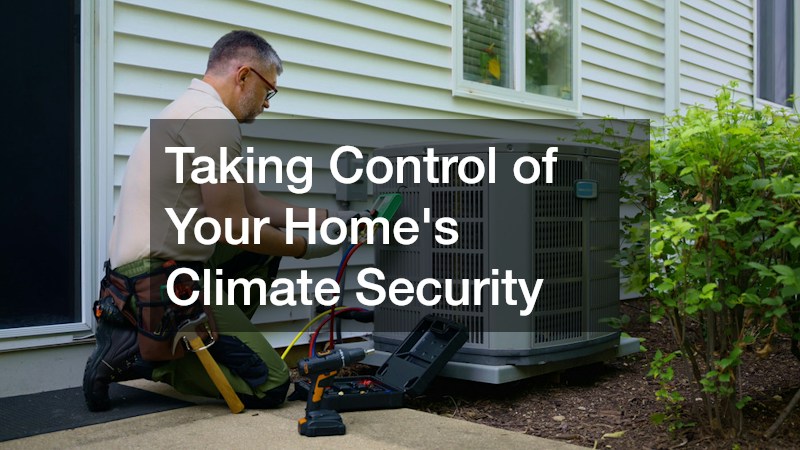
Recognizing the early warning signs of equipment failure allows you to make calm, informed decisions about your home’s heating and cooling infrastructure. Rather than waiting for a complete system breakdown during extreme weather, monitoring sound, airflow, utility costs, and equipment age puts you in control of your comfort.
If your climate control system is displaying any of these ten warning signs, take action today. Schedule a professional diagnostic inspection to evaluate your equipment’s health, perform necessary preventive maintenance, and explore modern replacement options on your own terms and timeline.