Essential Upgrades for Improving Your Homes Energy Efficiency
High energy bills aren’t just a seasonal headache; they indicate your home is leaking money and comfort. Most homeowners view their utility statements with frustration, unaware of the thermal weak points in their property. Even if you adjust the thermostat or turn off lights, the meter keeps spinning. Energy inefficiency is rarely due to a single issue; it’s usually a combination of small defects undermining your home’s climate control.
Upgrading your home’s efficiency is an investment leading to lower bills, higher property value, and improved indoor climate control. Fortifying your home against energy loss changes how the building operates as a system. Mechanical equipment works less, indoor air quality improves, and structural components are protected from moisture and temperature extremes. By understanding energy loss and implementing modern upgrades, you can make your home an efficient, comfortable sanctuary.
Stop Drafts with Modern Multi-Pane Glazing

The windows of a home act as its eyes, but if they are old or poorly installed, they serve as exit ramps for conditioned air. Traditional single-pane glass offers no insulation, allowing outside heat to enter during hot months and indoor heat to escape during winter. When upgrading, focus on multi-pane options with advanced engineering to create a thermal barrier.
- Prioritize Low-E Coatings: Low-emissivity glass has a thin metallic layer that reflects infrared and ultraviolet light, keeping heat out in summer and preserving indoor heating in winter.
- Insist on Gas Fills: Look for windows that feature argon or krypton gas sandwiched between the panes. These dense, non-toxic gases slow down the transfer of heat far better than regular air.
- Evaluate the U-Factor: This metric measures how well a window prevents heat from escaping. Lower numbers indicate better insulation, so aim for a U-factor below 0.30 for maximum efficiency.
Buying a high-quality window is only half the battle. If the unit is not perfectly squared, flashed, and insulated in your wall’s rough opening, air will bypass the frame. Professional window installation ensures advanced foams and flashing tapes are used around the perimeter, eliminating drafts, preventing water infiltration, and maintaining smooth operation for decades.
Upgrade Your Home’s Armor with Insulated House Wrap
While windows represent obvious opening points, the vast surface area of your exterior walls is often where the quietest energy loss occurs. Many older homes were built without adequate wall insulation, or the existing insulation has settled and degraded over time. When you plan an exterior renovation, you have a rare opportunity to address the home’s thermal envelope from the outside before the final cladding goes on.
- Eliminate Thermal Bridging: Standard wood studs conduct heat through the wall, bypassing the insulation between them. Adding continuous rigid foam insulation over the exterior studs breaks this thermal bridge.
- Utilize Advanced Vapor Barriers: Modern house wraps serve as a windbreaker for your home. They block water and wind from penetrating the interior while allowing moisture vapor to escape, preventing mold.
- Select Durable Exterior Materials: Insulated vinyl, fiber cement, and engineered wood provide varying degrees of built-in thermal resistance while protecting the underlying insulation from physical degradation.
Wrapping a house necessitates understanding moisture barriers, flashing angles, and material expansion. Cutting corners can trap moisture and compromise efficiency. Experienced siding contractors ensure transition points around windows, doors, and foundations are airtight. They integrate the house wrap with exterior trim, sealing your home against wind and temperature changes, and maximizing wall insulation performance.
Shield Your Intermediary Glass from Radiant Heat
Replacing every window in a house is a major financial undertaking that may not fit into your immediate budget. If your existing windows are structurally sound and free of rot, but they still allow too much solar heat to bake your interior spaces, there are secondary measures you can take. This is particularly crucial for large panes of glass that catch direct morning or afternoon sunlight.
- Target Solar Heat Gain: Unprotected glass allows solar radiation to pass through completely, warming up your furniture, floors, and walls, which then radiate that heat back into the room.
- Preserve Your Interior Views: High-quality solar films reject heat and block harmful ultraviolet rays without making your rooms dark or distorting the colors of the outside world.
- Reduce Glare and Fading: Beyond saving energy, treating your glass prevents sunlight from bleaching your expensive hardwood flooring, carpets, and artwork.
Applying advanced films requires a dust-free environment and specialized tools to prevent bubbling, peeling, or cracking. Professional window tinting services existing glass with commercial-grade solar films that reject solar heat, reducing the burden on cooling systems and lowering utility costs without altering the architectural appearance of your windows.
Deploy Heavy Thermal Window Treatments
Managing the energy efficiency of your windows involves more than just the glass. The interior side of your windows provides an opportunity to control heat transfer through strategic design. Internal window treatments add a layer of insulation, capturing drafts or radiant heat before they spread into your living areas.
- Create Static Air Pockets: When a fabric barrier is hung close to the window frame, it traps a layer of air between the material and the glass. This dead air space acts as a natural insulator, slowing down heat conduction.
- Opt for Thermal Linings: Choose interior window coverings with multiple fabric layers, such as a dense core or a reflective backing, to prevent thermal movement.
- Maintain Close Contact with Walls: To maximize efficiency, window treatments should be mounted as close to the glass as possible and extend past the frame to prevent air from escaping around the sides.
While blinds and shades offer basic light control, they often leave gaps where air circulates. Installing thick, floor-length draperies provides a wall-to-wall barrier that seals in the indoor climate. When closed during a freezing winter night or a scorching summer afternoon, heavy fabric panels reduce heat exchange by more than thirty percent, boosting home comfort.
Clear the Hidden Obstructions in Your Ventilation Network
Your heating and cooling systems may appear efficient, but they won’t deliver savings if the distribution network is compromised. The air ducts in your attic, crawlspaces, and walls function as your home’s circulatory system. Over time, these ducts accumulate dust, pet dander, drywall debris, and contaminants, restricting smooth airflow.
- Minimize Static Pressure Strain: When dust accumulates in a duct, it creates friction, forcing the HVAC blower motor to consume more electricity to push the same volume of air through the registers.
- Identify Hidden Air Leaks: Debris accumulation often hides small cracks, disconnected joints, and deteriorated tape where conditioned air escapes into unconditioned attics or wall cavities.
- Enhance Indoor Breathing Air: Keeping the distribution paths clean ensures that your system filters do not get clogged prematurely, which would otherwise choke system airflow.
Investing in a comprehensive air duct cleaning service removes layers of grime and restores the interior surfaces of your ventilation pipes to a smooth state. Clean ducts allow your heating and cooling equipment to reach target airflow rapidly, meaning the system runs shorter cycles to achieve the desired temperature, preserving mechanical components and lowering energy usage.
Partner with Technicians for Seasonal System Calibration
To maintain peak energy efficiency year after year, your climate control systems require regular mechanical tuning. Just like a vehicle loses fuel efficiency when the tires are flat and the oil is dirty, a heating and cooling system loses its efficiency when internal sensors, electrical contacts, and mechanical parts are neglected.
- Check Refrigerant Pressures: If a cooling system is even slightly low on refrigerant, it must run much longer to remove heat from your home, causing power bills to spike.
- Clean the Heat Exchanger Coils: Outdoor condenser coils and indoor evaporator coils get covered in dirt, forming an insulating blanket that blocks the efficient transfer of heat.
- Verify Electrical Draw: Loose wiring connections or aging capacitors cause motors to draw more amperage than intended, inflating your electrical consumption.
Forming a maintenance agreement with a licensed HVAC company ensures that technical variables are systematically checked before the extreme weather seasons. A trained technician can calibrate your system to match its original manufacturer specifications. This proactive maintenance keeps your equipment running efficiently, detects minor issues before they become costly breakdowns, and helps prolong the lifespan of the machinery.
Transition to High-Efficiency Cooling Units
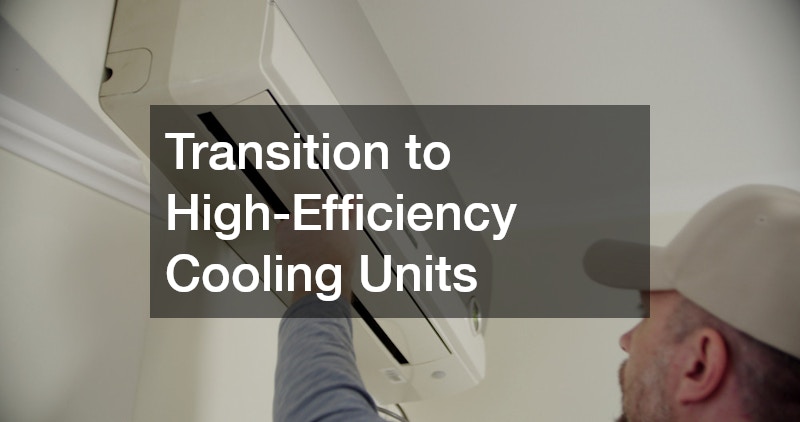
Repairing an old system can become financially impractical. If your central cooling unit is over twelve years old, it’s likely outdated and increasing your utility costs daily. Modern advancements in compressor design and motor technology have made newer systems much more efficient than those from a decade ago.
- Look for High SEER Ratings: The Seasonal Energy Efficiency Ratio measures cooling efficiency. Upgrading from a SEER 10 unit to a SEER 18 or higher system can significantly reduce your cooling electrical costs.
- Insist on Variable-Speed Compressors: Traditional units are either on or off, while variable-speed units adjust to match real-time cooling demands, running efficiently at lower speeds.
- Adopt Eco-Friendly Refrigerants: Modern systems use advanced refrigerants that transfer heat more effectively than older chemical variants, reducing environmental impact and boosting performance.
Investing in air conditioning replacements can significantly reduce your summer power consumption when your current system becomes costly to maintain. A new, properly sized system efficiently removes indoor humidity with minimal power, keeping your home comfortable and reducing monthly costs.
Secure the Largest Uninsulated Opening in Your Home
When homeowners think about energy conservation, they often overlook the garage. However, an attached garage shares walls and often ceiling spaces with your primary living areas. Because a standard garage door is essentially a giant sheet of uninsulated metal or wood, it acts as a massive radiator, absorbing outdoor heat or cold and transferring it directly into your home’s structure.
- Insist on Polyurethane Insulation: Look for doors injected with dense polyurethane foam, which provides a much higher R-value per inch than cheap polystyrene inserts.
- Check the Perimeter Weatherstripping: A quality door must feature flexible, heavy-duty vinyl seals along the top, sides, and bottom to block wind from driving into the garage space.
- Protect Shared Interior Walls: Keeping the garage temperature moderated prevents the rooms directly adjacent to or above the garage from experiencing severe temperature swings.
To ensure a heavy, insulated door operates safely and forms an airtight seal against the concrete floor, mechanical balance must be exact. Hiring a professional garage door service ensures the torsion springs, tracks, and weather seals are precisely calibrated. When the door closes flush against all four edges, it stops drafty air exchange that forces your home’s climate systems to run constantly to compensate for shared wall loss.
Fortify Your Roof Against Solar Radiation
Your roof endures the worst weather, absorbing direct solar radiation all day. In summer, attic temperatures can surpass 130°F if the roof isn’t optimized for heat. This intense heat migrates through ceiling insulation, warming your living spaces.
- Select Reflective Roofing Materials: Modern asphalt shingles are embedded with specialized granules that reflect solar energy back into the sky, reducing surface temperatures.
- Optimize Attic Ventilation: A combination of continuous ridge vents and soffit vents creates a natural chimney effect, pulling cool air in at the bottom and exhausting hot air out the top.
- Consider Cool Roof Shingles: Using lighter colors or specialized cool-roof technologies keeps the underlying structural decking cooler, preventing heat buildup.
Your roof system requires a delicate balance of material selection, underlayment breathability, and calculated ventilation areas, so it should not be handled by general laborers. Partnering with professional roofing companies guarantees your new roof is designed as an integrated ventilation system. They will ensure proper attic ventilation, preventing trapped heat that forces your cooling equipment to overwork during hot summer days.
Insulate Beneath Your Feet to Eliminate Drafts

While protecting the top of your home is crucial, ignoring the lower boundaries can leave you with cold feet and high heating costs. The floors above unheated crawlspaces, open basements, or concrete slabs are frequent sites of energy loss, as cold air naturally pools at the lowest points of a structure.
- Install Continuous Thermal Breaks: Placing a dense insulating underlayment beneath your final flooring material stops cold subterranean air from chilling your walking surface.
- Seal Crawlspace Floor Joists: Adding fiberglass batts or spray foam insulation between the joists under your floorboards keeps your indoor heat from escaping downward.
- Reduce Acoustic Transmissions: High-quality insulating underlayments double as sound dampeners, making your home quieter while making it more energy efficient.
When remodeling interiors, combine aesthetic updates with thermal upgrades for optimal results. During new flooring installation, you can add moisture barriers and insulating materials to the subfloor before finishing with wood, tile, or luxury vinyl. This layer prevents cold drafts through floorboard cracks, keeping rooms warmer at lower thermostat settings.
True home energy efficiency is a holistic approach connecting your home’s shell, mechanicals, and daily habits. Every upgrade—whether tightening exterior seals, clearing restrictions in ventilation paths, or updating aging mechanical systems—collectively reduces your home’s energy demands. By addressing these thermal zones, you stop wasting money on leaked air and overtaxed machinery. Your initial investments in upgrades will result in predictable utility bills, reduced environmental impact, and a more comfortable indoor environment. Start with an energy audit to identify priority leaks, then systematically upgrade for a sustainable, affordable home.