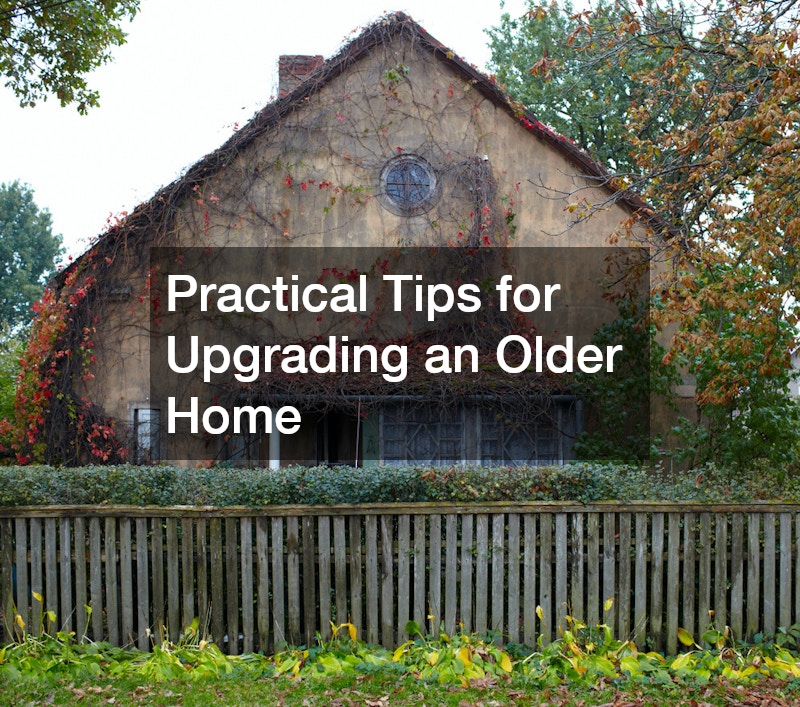
Practical Tips for Upgrading an Older Home
Upgrading an older home can be an exciting project. Whether you’ve just purchased an older property or have lived in one for years, improving its functionality and aesthetic appeal can make a world of difference. While older homes often come with unique charm and character, they also tend to have outdated systems, wear and tear, and areas in need of modernization. The good news is, there are many ways to upgrade your home to make it more comfortable, energy-efficient, and appealing without losing its original charm.
When embarking on a home renovation journey, it’s essential to approach it with a plan. Prioritize the projects that will make the most significant difference in your quality of life and the overall value of the property. By focusing on key upgrades such as improving your roof, upgrading HVAC systems, or modernizing your kitchen, you can breathe new life into your home.
An essential first step is evaluating the current state of your home. Consider its age, structural integrity, and any issues that may require immediate attention. Not only will this give you a clearer idea of what to work on, but it will also help you set a realistic budget for the project. Consulting with experts, such as local roofers, heating contractors, and kitchen remodeling specialists, can provide valuable insights into what needs to be done.
When considering upgrades, don’t forget to plan for both aesthetic and functional changes. This might involve choosing new paint colors, installing modern fixtures, or adding energy-efficient appliances. These simple touches can drastically change the look and feel of your home, making it feel fresh and updated.
In this article, we will explore several practical tips for upgrading an older home. From roofing and HVAC system improvements to landscaping and painting, we’ll cover every aspect of home upgrades to help you get started. Whether you’re tackling small projects or larger renovations, these tips will ensure you make the most out of your investment.
Upgrading Your Roof
The roof is one of the most critical components of any home, especially in older properties. Over time, roofs deteriorate due to exposure to the elements, and older roofing materials may no longer provide adequate protection. Upgrading your roof should be one of the first projects you undertake when upgrading an older home. Local roofers can assess the condition of your roof and recommend the best materials and solutions.
Roofing options have come a long way in recent years, with new materials offering improved durability and energy efficiency. If your roof is still in good condition but needs some maintenance, repairing minor leaks or replacing damaged shingles may suffice. However, if your roof is more than 20 years old or has significant damage, it may be time for a full replacement.
A new roof not only enhances the home’s overall appearance but also improves energy efficiency by preventing drafts and leaks. Modern roofing materials, like reflective shingles, can help regulate temperature inside your home and reduce your energy bills. Additionally, choosing high-quality materials will increase the lifespan of your roof, providing you with peace of mind for years to come.
Remodeling Your Kitchen
The kitchen is often the heart of the home, and it’s one of the most important rooms to upgrade when remodeling an older house. A kitchen remodel can transform the entire look of your home and significantly improve its functionality. From adding modern appliances to reconfiguring the layout, kitchen remodeling is a project that adds value to your home.
Start by evaluating your kitchen’s current layout. If the space feels cramped or outdated, consider reworking the floor plan. Open shelving, an island, or an open-concept kitchen might better suit your needs. Upgrading to energy-efficient appliances will help reduce your home’s energy consumption and make cooking and cleaning easier.
Updating the cabinetry is another essential part of a kitchen remodel. Custom cabinets can create a cohesive and stylish look while providing additional storage. Work with a custom cabinet company to design cabinets that suit your personal taste and maximize space. Whether you prefer a modern, minimalist look or a more traditional design, custom cabinetry can transform your kitchen into a functional and aesthetically pleasing space.
Customizing Your Cabinets

Cabinets are a key feature in every kitchen, but in an older home, the cabinets may be outdated or damaged. Rather than replacing them entirely, consider customizing your cabinets to suit your style and functional needs. Custom cabinets provide the opportunity to maximize storage while enhancing the overall look of your kitchen.
Custom cabinetry can be designed in various styles, finishes, and sizes to match the existing architecture of your home. Whether you prefer modern, traditional, or farmhouse styles, custom cabinet makers can help you achieve the perfect look. Additionally, customizing your cabinets allows you to add modern storage solutions such as pull-out shelves, deep drawers, and cabinet organizers to make your kitchen more efficient and organized.
Investing in high-quality custom cabinetry not only adds beauty and function to your kitchen but also increases your home’s value. A well-designed kitchen is a key selling point for prospective buyers, and updated cabinetry is a standout feature in any home.
Installing AC
Older homes often lack modern air conditioning systems, leaving homeowners struggling to stay cool during the warmer months. Installing AC in your home is a game-changer, improving comfort and air quality. If your home has an old or inefficient cooling system, it may be time to upgrade to a more energy-efficient air conditioning system.
Working with a local AC company can help you select the right system for your home. Depending on the size of your home and the existing ductwork, you may opt for a central air conditioning system, a ductless mini-split system, or a window unit. A professional can help determine the best solution based on your needs and budget.
In addition to improving comfort, upgrading to an energy-efficient AC system can reduce your energy bills. Newer models are designed to use less power while providing superior cooling, making them an environmentally-friendly choice. Additionally, installing a new AC system can improve indoor air quality by filtering out pollutants, allergens, and dust.
Repairing the Heating System
Just as with your air conditioning, an older heating system can be inefficient and unreliable. Heating repairs may be necessary to restore warmth to your home, but if your heating system is outdated, it may be time for a full replacement. Upgrading your heating system not only improves comfort but also increases the energy efficiency of your home.
Whether you have a furnace, boiler, or heat pump, a heating system that’s more than 15 years old may be struggling to meet the demands of your home. Work with heating professionals to evaluate the condition of your system and discuss options for replacement or repair. A newer system will provide more consistent heating, reduce energy consumption, and lower your utility bills.
Regular maintenance of your heating system is also essential for preventing breakdowns and extending the lifespan of your equipment. Schedule annual inspections and cleanings to ensure your heating system is operating efficiently throughout the colder months.
Upgrading the Entire HVAC System
In older homes, the HVAC system may not be up to modern standards. An outdated HVAC system can be inefficient, leading to higher energy costs and inconsistent temperatures. Upgrading the entire HVAC system can provide several benefits, including improved comfort, lower energy consumption, and better air quality.
Work with HVAC companies to evaluate your current system and determine whether an upgrade is necessary. Modern HVAC systems are more efficient, quieter, and environmentally-friendly. A full system upgrade may involve installing a new furnace, air conditioner, ductwork, and thermostat, all of which contribute to a more comfortable living environment.
Upgrading your HVAC system also improves the air quality inside your home. Many modern systems come with advanced filtration options that remove allergens, dust, and pollutants, making the air cleaner and healthier for you and your family.
Working With Landscapers

The exterior of your home plays a significant role in its overall appeal. Landscaping can drastically enhance the curb appeal of an older home, providing a well-maintained look that complements the home’s architecture. Whether you’re looking to add greenery, create outdoor living spaces, or address drainage issues, working with landscaping contractors can transform your outdoor space.
Landscapers can help you create a design that complements the style of your home while addressing functional needs. For example, if your home is prone to flooding or has poor drainage, landscaping professionals can install proper grading, drainage systems, and rain gardens to protect your foundation from water damage.
Landscaping improvements can also increase your home’s value and enhance your outdoor living experience. From planting trees and shrubs to adding patios, walkways, and outdoor lighting, landscaping is a great way to improve the overall look and function of your property.
Replacing Your Windows
Older homes often have outdated windows that are drafty, inefficient, and difficult to maintain. Replacing your windows is a worthwhile investment that can improve both the aesthetics and energy efficiency of your home. New windows provide better insulation, reduce energy loss, and improve curb appeal.
Work with local window replacement services to choose the right windows for your home. Modern window options include double or triple-pane windows, low-E glass, and energy-efficient framing materials. These upgrades will not only make your home more comfortable but also lower your heating and cooling costs.
Replacing windows can also enhance the overall design of your home. Choose from a variety of styles, including casement, double-hung, or sliding windows, to match the aesthetic of your property.
Painting Your Home
A fresh coat of paint can work wonders for an older home, revitalizing both the interior and exterior. Painting your home is a cost-effective way to enhance its appearance, protect surfaces, and increase its value. Whether you’re updating the exterior to improve curb appeal or refreshing the interior with a new color palette, painting is one of the most straightforward upgrades you can make.
Local painting contractors can help you select the best colors and finishes to match your home’s style. They can also guide you on the right type of paint for different surfaces, ensuring long-lasting results. For the exterior, opt for weather-resistant paints that can withstand the elements, while for the interior, choose durable, washable paints that will stand up to daily wear and tear.
Waterproofing Your Basement
Many older homes have basements that are susceptible to moisture, which can lead to mold growth, water damage, and structural issues. Waterproofing your basement is a crucial step in upgrading your older home. A dry basement not only improves the livability of your home but also protects it from long-term damage.
Basement waterproofing service providers can assess your property’s drainage and moisture levels, identifying potential issues and providing solutions. Whether it’s installing a sump pump, sealing cracks, or improving exterior drainage, waterproofing can help prevent costly repairs down the line.
Improving Your Older Home
Upgrading an older home is a rewarding experience that can significantly enhance your living environment. From improving your roof and HVAC systems to updating your kitchen and landscaping, each upgrade adds value, comfort, and functionality to your home. By working with professionals such as local roofers, custom cabinet makers, and HVAC companies, you can ensure that your home is upgraded to meet modern standards while preserving its original charm.
Remember, upgrading an older home is a process that takes time and planning. Prioritize projects that will improve both the functionality and aesthetics of your home, and consider working with experts to ensure the best results. With these practical tips, your older home can become a beautiful, energy-efficient space that you and your family will enjoy for years to come.
Upgrading an older home requires careful planning, patience, and sometimes a significant investment. However, the rewards are well worth the effort. Whether you’re looking to increase the value of your property for resale or simply want to make your home more comfortable and efficient, every upgrade adds something valuable to your living space. By addressing essential areas such as the roof, HVAC systems, and kitchen, you ensure your home remains functional and modern while retaining the charm that older homes are known for.
As you move forward with your upgrades, remember that each project you undertake, big or small, contributes to the overall health and longevity of your home. It’s also a chance to personalize your space and make it uniquely yours. Don’t be afraid to think creatively—whether it’s selecting custom cabinetry for your kitchen or choosing the perfect paint color to complement your home’s character, these decisions help transform your space into a place you truly love.
Additionally, consider the long-term benefits of the improvements you make. While the initial cost of upgrades may seem daunting, the energy savings, reduced maintenance, and increased comfort will provide lasting returns. Even seemingly small changes, like replacing windows or upgrading your basement waterproofing, can lead to significant improvements in your home’s overall performance and livability.
Finally, upgrading an older home is an opportunity to modernize its systems and features while maintaining its unique history and style. Whether you’re hiring landscaping contractors or working with HVAC professionals, the right team can help bring your vision to life. Stay focused on your goals, create a clear plan, and enjoy the process of transforming your older home into the dream space you’ve always envisioned.