
Smart Planning Secrets for Successful and Stress-Free Home Upgrades
Upgrading your home can be one of the most rewarding experiences for homeowners. From increasing the property’s value to improving comfort, functionality, and aesthetics, a well-planned home upgrade transforms your living space into something truly special. However, many homeowners face challenges when undertaking such projects, including budget overruns, scheduling conflicts, and the stress of coordinating multiple contractors and tasks. The key to a successful, stress-free home improvement lies in smart planning. By preparing strategically, homeowners can save time, money, and frustration while ensuring the final results match their vision.
Whether you are considering a bathroom remodel, installing a new deck, upgrading your HVAC system, or adding a custom pool, following a structured approach ensures a smoother process and better outcomes. This article explores the top smart planning secrets to help homeowners execute upgrades with confidence, efficiency, and peace of mind.
Start with a Clear Vision and Goal Setting
Every successful home improvement begins with a clear vision. Before lifting a hammer or requesting contractor quotes, it’s essential to define the purpose and goals of your projects. Without a roadmap, homeowners risk wasting resources on unnecessary upgrades or making costly mistakes that require rework.
Key steps to setting a vision:
-
Make a wish list: Start by listing all the areas in your home you want to upgrade, including both interior and exterior spaces. Consider improvements such as bathroom renovations, outdoor decks, or modernizing your garden layout.
-
Prioritize your needs: Not every wish is a necessity. Rank your list from most important to least critical. For example, repairing a leaky roof takes precedence over adding a new pool.
-
Visualize the end result: Use sketches, mood boards, or digital tools to imagine the final look. Homeowners often find it easier to communicate their vision to professionals when they have clear visual references.
-
Consider long-term goals: Think about how each upgrade aligns with your lifestyle. If you plan to grow your family, adding a larger bathroom or a safe backyard with a fence installation may make more sense than purely aesthetic upgrades.
Early consultation with home renovation contractors can also help refine your vision. Professionals can advise on feasibility, potential obstacles, and optimal designs, ensuring your goals are realistic and achievable. By setting a clear vision, you lay the foundation for a project that meets both functional and aesthetic needs.
Budget Smartly and Plan for Contingencies
Budgeting is often one of the most stressful aspects of home upgrades, but it doesn’t have to be. Smart planning begins with creating a detailed budget that covers all aspects of the project. This includes materials, labor, permits, and unexpected expenses.
Tips for effective budgeting:
-
Research costs: Look into the cost ranges for projects you are considering. For instance, a custom pool built by professional custom pool builders can vary widely in price depending on size and materials. Similarly, upgrading your roof with experienced residential roofers may involve varying costs based on materials and complexity.
-
Include a contingency: Set aside 10–20% of your budget for surprises, such as hidden structural issues or delays. These funds can prevent unnecessary stress if problems arise.
-
Break down expenses: Categorize costs by type (materials, labor, permits, equipment) to track spending accurately.
-
Obtain multiple quotes: Compare estimates from different providers, such as an HVAC company for climate control upgrades or a bathroom remodeling company for renovations. This ensures you’re getting competitive pricing without sacrificing quality.
-
Use digital tools: Budgeting apps or spreadsheets can simplify the process and help monitor expenses in real time.
By approaching budgeting with a clear strategy, homeowners can avoid financial surprises and confidently allocate resources to the most impactful upgrades.
Hire the Right Experts for Each Upgrade
Even the most ambitious DIYers know that some tasks require professional expertise. Hiring the right experts ensures that your home upgrades are executed safely, efficiently, and to the highest standards.
When to consider professional help:
-
Specialized construction: Projects such as deck building or pool installations often involve complex design and construction requirements. Professional deck builders and custom pool builders have the experience to bring your vision to life safely.
-
Bathroom renovations: A bathroom remodeling company can handle plumbing, tiling, and waterproofing with precision, minimizing the risk of future leaks or damage.
-
HVAC upgrades: A qualified HVAC company ensures proper installation, efficiency, and compliance with local codes, avoiding costly errors.
-
Roofing repairs: Work with experienced residential roofers to guarantee long-lasting protection for your home.
-
Outdoor enhancements: Projects like fence installation, garage door installation, and landscaping benefit from skilled contractors who can optimize aesthetics, functionality, and durability.
-
Sustainable solutions: Partnering with reputable solar panel installers ensures that your renewable energy system is efficient, safe, and compliant with regulations.
Tips for hiring the right experts:
-
Check references and reviews: Look at previous projects and client testimonials.
-
Verify licenses and certifications: Ensure professionals meet local legal and quality standards.
-
Request detailed contracts: Specify project scope, timeline, and payment schedule to avoid misunderstandings.
Having the right team in place reduces stress and ensures every component of your home upgrade is completed correctly.
Plan Your Home Layout and Functional Upgrades
Effective home upgrades balance style and functionality. Strategic planning of layout and placement enhances both the beauty and usability of your space.
Indoor planning tips:
-
Optimize space in bathrooms, kitchens, and living areas.
-
Plan HVAC system placement to ensure proper airflow and energy efficiency.
-
Consider lighting, storage, and traffic flow for everyday convenience.
Outdoor planning tips:
-
Position decks, fences, and garage doors to complement both aesthetics and practical use.
-
Coordinate landscaping to create natural transitions between spaces, enhance curb appeal, and increase property value.
-
Factor in long-term maintenance; for example, select materials for decks and fences that are weather-resistant.
By planning layout and functional upgrades carefully, homeowners can prevent costly mistakes and ensure every part of the home works harmoniously.
Focus on Energy Efficiency and Sustainability
Modern home upgrades are increasingly focused on energy efficiency and sustainability. Not only does this reduce environmental impact, but it also lowers long-term utility costs and increases property value.
Energy-efficient upgrades to consider:
-
Solar panel installations: Partner with experienced solar panel installers to maximize energy output and savings.
-
HVAC systems: Upgrading to energy-efficient systems can reduce electricity consumption and improve indoor comfort.
-
Insulation and windows: Proper insulation and energy-efficient windows keep homes comfortable and reduce heating/cooling costs.
-
Smart technology: Integrate smart thermostats, lighting, and energy monitoring for optimized usage.
Sustainable planning ensures your home upgrade is not only stylish and functional but also future-ready.
Coordinate Timing and Sequence of Projects
One of the most overlooked aspects of home improvement is project sequencing. Coordinating timing avoids conflicts, reduces downtime, and minimizes disruption to daily life.
Recommended sequencing:
-
Structural work: Begin with essential structural upgrades, such as roof repairs by residential roofers or fence installation.
-
Utility upgrades: Address plumbing, electrical, and HVAC system installations.
-
Interior remodeling: Focus on bathrooms, kitchens, and other indoor enhancements.
-
Exterior finishes: Complete decks, landscaping, garage doors, and pool projects last to avoid damage from construction traffic.
Scheduling tips:
-
Coordinate timelines with all contractors to prevent overlap and delays.
-
Build flexibility into your schedule to accommodate weather delays or material delivery issues.
-
Maintain clear communication between teams for seamless handoffs between tasks.
Proper sequencing ensures that each phase of the project supports the next, reducing stress and preventing unnecessary costs.
Ensure Quality Materials and Craftsmanship
A home upgrade is an investment, and the quality of materials and workmanship directly impacts its longevity and appearance.
Material selection tips:
-
Choose weather-resistant materials for decks, fences, and exterior features.
-
Select high-quality tiles, countertops, and fixtures for bathrooms and kitchens.
-
Ensure roofing materials are durable and installed by certified residential roofers.
Craftsmanship tips:
-
Work with skilled professionals for specialized tasks, such as custom pool builders or bathroom remodeling company experts.
-
Ask about warranties and maintenance requirements to protect your investment.
-
Inspect work periodically to ensure adherence to specifications and quality standards.
High-quality materials and expert craftsmanship reduce maintenance needs, improve aesthetics, and increase long-term home value.
Keep Communication Clear and Document Everything
Clear and consistent communication is vital in avoiding misunderstandings and keeping projects on track.
Communication strategies:
-
Hold weekly progress meetings with contractors to review timelines, budgets, and challenges.
-
Keep written records of agreements, changes, and approvals.
-
Use digital tools or apps for project tracking and photo updates.
-
Encourage transparency among subcontractors, such as deck builders, landscaping company teams, and pool specialists.
Documenting everything ensures accountability and provides a reference if disputes arise, creating a more stress-free experience.
Add Personal Touches and Final Touches
The finishing touches make a home uniquely yours. Personalization adds warmth, character, and satisfaction to any upgrade.
Tips for final touches:
-
Decorate outdoor spaces with landscaping features, patios, and pool areas.
-
Choose paint, furniture, and decor that reflect your style.
-
Add smart lighting, solar panels, and HVAC efficiency upgrades for convenience.
-
Celebrate milestones, such as the completion of a new deck or garage door installation, to maintain enthusiasm.
Thoughtful personalization ensures your upgraded home feels inviting, functional, and perfectly suited to your lifestyle.
Choosing the Right Materials for Longevity and Style
Selecting the right materials is crucial for both the aesthetic appeal and longevity of home upgrades. Poor-quality materials may look good initially but can deteriorate quickly, leading to costly repairs. Consider durable options for every project:
-
For outdoor structures like decks or fence installation, weather-resistant woods or composite materials provide durability and low maintenance.
-
Roofing materials installed by residential roofers should withstand extreme weather while complementing your home’s style.
-
Tiles, countertops, and fixtures for kitchen and bathroom renovations should combine elegance with practicality.
-
Outdoor areas like driveways, patios, and garden paths benefit from resilient materials that handle heavy foot traffic and exposure to the elements.
Consulting professionals, such as a bathroom remodeling company or custom pool builders, ensures that materials meet both functional and aesthetic standards, guaranteeing a long-lasting upgrade.
Leveraging Technology for Smarter Home Upgrades
Modern technology can make home upgrades more efficient, sustainable, and enjoyable. Smart planning should include evaluating which technologies add the most value:
-
Smart thermostats and HVAC systems installed by a trusted HVAC company help optimize energy use while maintaining comfort.
-
Home automation for lighting, security, and garage doors can enhance safety and convenience. A well-timed garage door installation can integrate with smart home systems.
-
Solar energy solutions through solar panel installers reduce energy bills and increase environmental sustainability.
-
Planning apps, project management tools, and 3D modeling software help homeowners visualize upgrades, track progress, and communicate effectively with home renovation contractors.
Integrating technology thoughtfully not only increases the efficiency of upgrades but also future-proofs your home for evolving needs and innovations.
Maximizing Outdoor Spaces for Lifestyle and Curb Appeal
Outdoor spaces are a critical component of home improvement, offering opportunities for relaxation, recreation, and aesthetic appeal. Strategic upgrades can transform the exterior of your home:
-
Collaborate with landscaping company experts to design gardens, patios, and walkways that complement your home’s style and layout.
-
Outdoor features such as decks built by professional deck builders create entertaining areas while enhancing property value.
-
Installing fences improves privacy, security, and curb appeal while clearly defining property boundaries.
-
Custom pools, designed by specialized custom pool builders, add luxury and recreational value, turning a backyard into a personal oasis.
By maximizing the functionality and beauty of outdoor areas, homeowners enjoy an extended living space that balances style, comfort, and entertainment.
Preparing for Seasonal Challenges and Maintenance
Seasonal changes can impact the longevity and performance of home upgrades, making maintenance planning essential:
-
Ensure roofing, siding, and decks are weather-resistant to handle winter snow, rain, or summer heat, with guidance from residential roofers and deck builders.
-
Outdoor structures like fences, garden features, and patios require periodic inspections and treatments to maintain integrity and appearance.
-
HVAC systems should be serviced seasonally to maintain efficiency, reduce energy costs, and prolong lifespan. A professional HVAC company can set up preventive maintenance schedules.
-
Pools and water features need careful preparation before winter and routine checks during summer to prevent damage and costly repairs.
Planning for seasonal challenges reduces unexpected problems, extends the lifespan of upgrades, and ensures that your home remains functional and attractive year-round.
Conclusion
Home upgrades don’t have to be overwhelming or stressful. By following these smart planning secrets, homeowners can navigate each phase with confidence, ensuring projects are completed efficiently, within budget, and with long-lasting results. From establishing a clear vision and budgeting wisely to hiring the right professionals, coordinating schedules, and choosing quality materials, every step matters.
Whether your project involves fence installation, bathroom upgrades through a bathroom remodeling company, energy-efficient solutions with solar panel installers, or structural work from residential roofers, proper planning transforms potential headaches into rewarding experiences. With careful preparation and thoughtful execution, homeowners can enjoy the ultimate combination of style, comfort, and functionality—a home that truly reflects their vision.
Upgrading your home can be one of the most rewarding experiences for homeowners. From increasing the property’s value to improving comfort, functionality, and aesthetics, a well-planned home upgrade transforms your living space into something truly special. However, many homeowners face challenges when undertaking such projects, including budget overruns, scheduling conflicts, and the stress of coordinating multiple contractors and tasks. The key to a successful, stress-free home improvement lies in smart planning. By preparing strategically, homeowners can save time, money, and frustration while ensuring the final results match their vision.
Whether you are considering a bathroom remodel, installing a new deck, upgrading your HVAC system, or adding a custom pool, following a structured approach ensures a smoother process and better outcomes. This article explores the top smart planning secrets to help homeowners execute upgrades with confidence, efficiency, and peace of mind.
Start with a Clear Vision and Goal Setting
Every successful home improvement begins with a clear vision. Before lifting a hammer or requesting contractor quotes, it’s essential to define the purpose and goals of your projects. Without a roadmap, homeowners risk wasting resources on unnecessary upgrades or making costly mistakes that require rework.
Key steps to setting a vision:
-
Make a wish list: Start by listing all the areas in your home you want to upgrade, including both interior and exterior spaces. Consider improvements such as bathroom renovations, outdoor decks, or modernizing your garden layout.
-
Prioritize your needs: Not every wish is a necessity. Rank your list from most important to least critical. For example, repairing a leaky roof takes precedence over adding a new pool.
-
Visualize the end result: Use sketches, mood boards, or digital tools to imagine the final look. Homeowners often find it easier to communicate their vision to professionals when they have clear visual references.
-
Consider long-term goals: Think about how each upgrade aligns with your lifestyle. If you plan to grow your family, adding a larger bathroom or a safe backyard with a fence installation may make more sense than purely aesthetic upgrades.
Early consultation with home renovation contractors can also help refine your vision. Professionals can advise on feasibility, potential obstacles, and optimal designs, ensuring your goals are realistic and achievable. By setting a clear vision, you lay the foundation for a project that meets both functional and aesthetic needs.
Budget Smartly and Plan for Contingencies

Budgeting is often one of the most stressful aspects of home upgrades, but it doesn’t have to be. Smart planning begins with creating a detailed budget that covers all aspects of the project. This includes materials, labor, permits, and unexpected expenses.
Tips for effective budgeting:
-
Research costs: Look into the cost ranges for projects you are considering. For instance, a custom pool built by professional custom pool builders can vary widely in price depending on size and materials. Similarly, upgrading your roof with experienced residential roofers may involve varying costs based on materials and complexity.
-
Include a contingency: Set aside 10–20% of your budget for surprises, such as hidden structural issues or delays. These funds can prevent unnecessary stress if problems arise.
-
Break down expenses: Categorize costs by type (materials, labor, permits, equipment) to track spending accurately.
-
Obtain multiple quotes: Compare estimates from different providers, such as an HVAC company for climate control upgrades or a bathroom remodeling company for renovations. This ensures you’re getting competitive pricing without sacrificing quality.
-
Use digital tools: Budgeting apps or spreadsheets can simplify the process and help monitor expenses in real time.
By approaching budgeting with a clear strategy, homeowners can avoid financial surprises and confidently allocate resources to the most impactful upgrades.
Hire the Right Experts for Each Upgrade
Even the most ambitious DIYers know that some tasks require professional expertise. Hiring the right experts ensures that your home upgrades are executed safely, efficiently, and to the highest standards.
When to consider professional help:
-
Specialized construction: Projects such as deck building or pool installations often involve complex design and construction requirements. Professional deck builders and custom pool builders have the experience to bring your vision to life safely.
-
Bathroom renovations: A bathroom remodeling company can handle plumbing, tiling, and waterproofing with precision, minimizing the risk of future leaks or damage.
-
HVAC upgrades: A qualified HVAC company ensures proper installation, efficiency, and compliance with local codes, avoiding costly errors.
-
Roofing repairs: Work with experienced residential roofers to guarantee long-lasting protection for your home.
-
Outdoor enhancements: Projects like fence installation, garage door installation, and landscaping benefit from skilled contractors who can optimize aesthetics, functionality, and durability.
-
Sustainable solutions: Partnering with reputable solar panel installers ensures that your renewable energy system is efficient, safe, and compliant with regulations.
Tips for hiring the right experts:
-
Check references and reviews: Look at previous projects and client testimonials.
-
Verify licenses and certifications: Ensure professionals meet local legal and quality standards.
-
Request detailed contracts: Specify project scope, timeline, and payment schedule to avoid misunderstandings.
Having the right team in place reduces stress and ensures every component of your home upgrade is completed correctly.
Plan Your Home Layout and Functional Upgrades

Effective home upgrades balance style and functionality. Strategic planning of layout and placement enhances both the beauty and usability of your space.
Indoor planning tips:
-
Optimize space in bathrooms, kitchens, and living areas.
-
Plan HVAC system placement to ensure proper airflow and energy efficiency.
-
Consider lighting, storage, and traffic flow for everyday convenience.
Outdoor planning tips:
-
Position decks, fences, and garage doors to complement both aesthetics and practical use.
-
Coordinate landscaping to create natural transitions between spaces, enhance curb appeal, and increase property value.
-
Factor in long-term maintenance; for example, select materials for decks and fences that are weather-resistant.
By planning layout and functional upgrades carefully, homeowners can prevent costly mistakes and ensure every part of the home works harmoniously.
Focus on Energy Efficiency and Sustainability
Modern home upgrades are increasingly focused on energy efficiency and sustainability. Not only does this reduce environmental impact, but it also lowers long-term utility costs and increases property value.
Energy-efficient upgrades to consider:
-
Solar panel installations: Partner with experienced solar panel installers to maximize energy output and savings.
-
HVAC systems: Upgrading to energy-efficient systems can reduce electricity consumption and improve indoor comfort.
-
Insulation and windows: Proper insulation and energy-efficient windows keep homes comfortable and reduce heating/cooling costs.
-
Smart technology: Integrate smart thermostats, lighting, and energy monitoring for optimized usage.
Sustainable planning ensures your home upgrade is not only stylish and functional but also future-ready.
Coordinate Timing and Sequence of Projects
One of the most overlooked aspects of home improvement is project sequencing. Coordinating timing avoids conflicts, reduces downtime, and minimizes disruption to daily life.
Recommended sequencing:
-
Structural work: Begin with essential structural upgrades, such as roof repairs by residential roofers or fence installation.
-
Utility upgrades: Address plumbing, electrical, and HVAC system installations.
-
Interior remodeling: Focus on bathrooms, kitchens, and other indoor enhancements.
-
Exterior finishes: Complete decks, landscaping, garage doors, and pool projects last to avoid damage from construction traffic.
Scheduling tips:
-
Coordinate timelines with all contractors to prevent overlap and delays.
-
Build flexibility into your schedule to accommodate weather delays or material delivery issues.
-
Maintain clear communication between teams for seamless handoffs between tasks.
Proper sequencing ensures that each phase of the project supports the next, reducing stress and preventing unnecessary costs.
Ensure Quality Materials and Craftsmanship

A home upgrade is an investment, and the quality of materials and workmanship directly impacts its longevity and appearance.
Material selection tips:
-
Choose weather-resistant materials for decks, fences, and exterior features.
-
Select high-quality tiles, countertops, and fixtures for bathrooms and kitchens.
-
Ensure roofing materials are durable and installed by certified residential roofers.
Craftsmanship tips:
-
Work with skilled professionals for specialized tasks, such as custom pool builders or bathroom remodeling company experts.
-
Ask about warranties and maintenance requirements to protect your investment.
-
Inspect work periodically to ensure adherence to specifications and quality standards.
High-quality materials and expert craftsmanship reduce maintenance needs, improve aesthetics, and increase long-term home value.
Keep Communication Clear and Document Everything
Clear and consistent communication is vital in avoiding misunderstandings and keeping projects on track.
Communication strategies:
-
Hold weekly progress meetings with contractors to review timelines, budgets, and challenges.
-
Keep written records of agreements, changes, and approvals.
-
Use digital tools or apps for project tracking and photo updates.
-
Encourage transparency among subcontractors, such as deck builders, landscaping company teams, and pool specialists.
Documenting everything ensures accountability and provides a reference if disputes arise, creating a more stress-free experience.
Add Personal Touches and Final Touches
The finishing touches make a home uniquely yours. Personalization adds warmth, character, and satisfaction to any upgrade.
Tips for final touches:
-
Decorate outdoor spaces with landscaping features, patios, and pool areas.
-
Choose paint, furniture, and decor that reflect your style.
-
Add smart lighting, solar panels, and HVAC efficiency upgrades for convenience.
-
Celebrate milestones, such as the completion of a new deck or garage door installation, to maintain enthusiasm.
Thoughtful personalization ensures your upgraded home feels inviting, functional, and perfectly suited to your lifestyle.
Choosing the Right Materials for Longevity and Style
Selecting the right materials is crucial for both the aesthetic appeal and longevity of home upgrades. Poor-quality materials may look good initially but can deteriorate quickly, leading to costly repairs. Consider durable options for every project:
-
For outdoor structures like decks or fence installation, weather-resistant woods or composite materials provide durability and low maintenance.
-
Roofing materials installed by residential roofers should withstand extreme weather while complementing your home’s style.
-
Tiles, countertops, and fixtures for kitchen and bathroom renovations should combine elegance with practicality.
-
Outdoor areas like driveways, patios, and garden paths benefit from resilient materials that handle heavy foot traffic and exposure to the elements.
Consulting professionals, such as a bathroom remodeling company or custom pool builders, ensures that materials meet both functional and aesthetic standards, guaranteeing a long-lasting upgrade.
Leveraging Technology for Smarter Home Upgrades
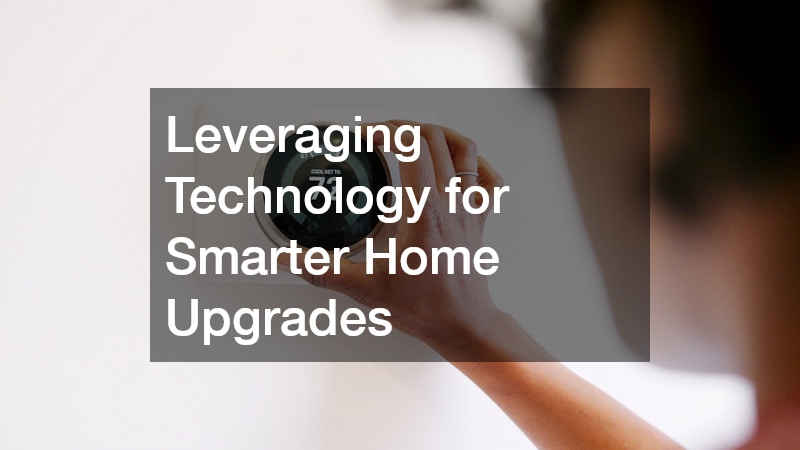
Modern technology can make home upgrades more efficient, sustainable, and enjoyable. Smart planning should include evaluating which technologies add the most value:
-
Smart thermostats and HVAC systems installed by a trusted HVAC company help optimize energy use while maintaining comfort.
-
Home automation for lighting, security, and garage doors can enhance safety and convenience. A well-timed garage door installation can integrate with smart home systems.
-
Solar energy solutions through solar panel installers reduce energy bills and increase environmental sustainability.
-
Planning apps, project management tools, and 3D modeling software help homeowners visualize upgrades, track progress, and communicate effectively with home renovation contractors.
Integrating technology thoughtfully not only increases the efficiency of upgrades but also future-proofs your home for evolving needs and innovations.
Maximizing Outdoor Spaces for Lifestyle and Curb Appeal
Outdoor spaces are a critical component of home improvement, offering opportunities for relaxation, recreation, and aesthetic appeal. Strategic upgrades can transform the exterior of your home:
-
Collaborate with landscaping company experts to design gardens, patios, and walkways that complement your home’s style and layout.
-
Outdoor features such as decks built by professional deck builders create entertaining areas while enhancing property value.
-
Installing fences improves privacy, security, and curb appeal while clearly defining property boundaries.
-
Custom pools, designed by specialized custom pool builders, add luxury and recreational value, turning a backyard into a personal oasis.
By maximizing the functionality and beauty of outdoor areas, homeowners enjoy an extended living space that balances style, comfort, and entertainment.
Preparing for Seasonal Challenges and Maintenance
Seasonal changes can impact the longevity and performance of home upgrades, making maintenance planning essential:
-
Ensure roofing, siding, and decks are weather-resistant to handle winter snow, rain, or summer heat, with guidance from residential roofers and deck builders.
-
Outdoor structures like fences, garden features, and patios require periodic inspections and treatments to maintain integrity and appearance.
-
HVAC systems should be serviced seasonally to maintain efficiency, reduce energy costs, and prolong lifespan. A professional HVAC company can set up preventive maintenance schedules.
-
Pools and water features need careful preparation before winter and routine checks during summer to prevent damage and costly repairs.
Planning for seasonal challenges reduces unexpected problems, extends the lifespan of upgrades, and ensures that your home remains functional and attractive year-round.
Conclusion
Home upgrades don’t have to be overwhelming or stressful. By following these smart planning secrets, homeowners can navigate each phase with confidence, ensuring projects are completed efficiently, within budget, and with long-lasting results. From establishing a clear vision and budgeting wisely to hiring the right professionals, coordinating schedules, and choosing quality materials, every step matters.
Whether your project involves fence installation, bathroom upgrades through a bathroom remodeling company, energy-efficient solutions with solar panel installers, or structural work from residential roofers, proper planning transforms potential headaches into rewarding experiences. With careful preparation and thoughtful execution, homeowners can enjoy the ultimate combination of style, comfort, and functionality—a home that truly reflects their vision.