Working With Local Builders for Custom New Home Construction
Building a custom home is one of the most significant investments most people will ever make, both financially and emotionally. It is not just about constructing a structure—it is about creating a living space that reflects your lifestyle, priorities, and long-term goals. From the earliest planning stages to the final walkthrough, every decision influences how comfortable, functional, and durable your home will be.
One of the most important factors in a successful project is how well you collaborate with the professionals guiding the process. Communication, clarity, and preparation can make the difference between a stressful experience and a smooth, rewarding one. This guide breaks down each phase of the journey and offers practical advice to help you navigate it with confidence and clarity.
Understanding the Role of Your Building Team

Working with the right professionals early in the process sets the foundation for a successful build. A well-coordinated team ensures that design decisions, structural requirements, and timelines all align smoothly from start to finish.
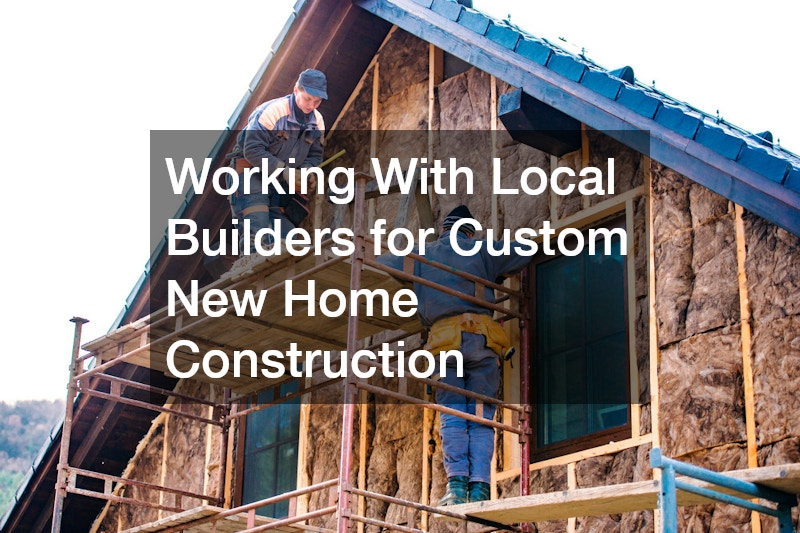
Local custom home builders are typically responsible for overseeing the entire construction process. They coordinate subcontractors, manage schedules, and ensure the build stays aligned with approved plans. Meanwhile, new home construction services often encompass everything from permitting and site preparation to final inspections.
To make the most of this relationship, homeowners should:
- Establish clear expectations before construction begins
- Request a detailed project timeline and milestone breakdown
- Confirm communication channels and response times
- Review past project examples for quality and consistency
- Understand who is responsible for each stage of construction
A strong working relationship with your builder helps prevent delays, miscommunication, and unexpected costs. It also ensures your vision is translated accurately into the finished home.
Selecting the Right Professionals for Your Project
Choosing the right team is one of the most important decisions in the entire process. Not all professionals operate at the same level of experience, transparency, or craftsmanship.
Custom home builders vary widely in their specialties, so it is essential to evaluate more than just price. Look at their communication style, portfolio quality, and willingness to answer detailed questions. A trustworthy builder should be able to explain each step of the process in clear, practical terms.
When evaluating options for new homes, consider the following:
- Do they have experience with similar home sizes and styles?
- Are previous clients satisfied with the final results?
- How transparent are they about pricing and potential overruns?
- Do they offer detailed contracts and clear scopes of work?
- How do they handle changes during construction?
Visiting completed projects or speaking with past clients can also provide valuable insight. A builder’s reputation is often one of the strongest indicators of future performance.
Comparing Building Approaches for Your Lifestyle

Before construction begins, it is important to understand the different ways a home can be built. Each approach offers distinct advantages depending on your timeline, budget, and customization goals.
Modular homes are constructed in sections within a controlled factory environment before being assembled on-site. This method often reduces weather delays and can improve efficiency. On the other hand, custom modular homes allow for greater personalization while still benefiting from streamlined construction processes.
Key considerations include:
- Speed of construction versus customization flexibility
- Budget predictability and material efficiency
- Design limitations based on structure type
- Long-term durability and maintenance requirements
- Financing options are available for each method
Choosing the right approach depends on how much control you want over design versus how quickly you want to move into your finished home. Understanding these differences early prevents frustration later in the process.
Planning the Design Phase Effectively
The design phase is where ideas begin to take shape, and it requires close collaboration between homeowners and design professionals. This stage determines how functional and visually cohesive your home will ultimately be.
Interior designers play a key role in translating your preferences into practical layouts and material selections. When combined with home remodeling insights, they can help ensure that spaces are not only beautiful but also efficient and adaptable.
To make the design phase more effective:
- Start with a clear list of must-have features
- Use inspirational images to communicate style preferences
- Prioritize flow and functionality over purely aesthetic choices
- Review multiple layout options before finalizing plans
- Consider long-term lifestyle changes, such as family growth or remote work needs
Strong design planning reduces costly changes during construction and ensures a smoother building experience overall.
Creating a Functional and Aesthetic Interior Plan
Interior planning is about more than selecting finishes—it is about creating a cohesive environment that supports daily living. Every detail, from flooring to lighting, impacts comfort and usability.
Wood flooring remains one of the most popular choices for homeowners due to its durability and timeless appeal. When paired with thoughtful interior design, it can enhance warmth and continuity throughout the home.
Interior designers can also help balance style with practicality by recommending materials that fit your lifestyle and maintenance preferences.
Helpful interior planning strategies include:
- Choosing a consistent design theme across all rooms
- Prioritizing durable, low-maintenance materials in high-traffic areas
- Planning lighting layouts early in the design process
- Selecting neutral foundational elements with flexible accents
- Considering acoustics and natural light distribution
A well-planned interior ensures your home remains comfortable and functional for years to come.
Planning Exterior Features That Add Long-Term Value
The exterior of your home is the first impression it makes and plays a major role in long-term maintenance and property value. Thoughtful exterior planning ensures both durability and visual appeal.
Exterior painting services are essential for protecting surfaces from weather damage while maintaining a fresh, attractive appearance. Meanwhile, landscaping helps define outdoor living spaces and enhances overall curb appeal.
To improve exterior planning outcomes:
- Select paint colors that complement the architectural style and environment
- Choose weather-resistant materials suited to your region
- Design landscaping that balances aesthetics with maintenance needs
- Incorporate outdoor lighting for safety and ambiance
- Plan irrigation systems early to support long-term plant health
A cohesive exterior design ensures your home looks polished and performs well under changing environmental conditions.
Managing Construction Timelines and Communication
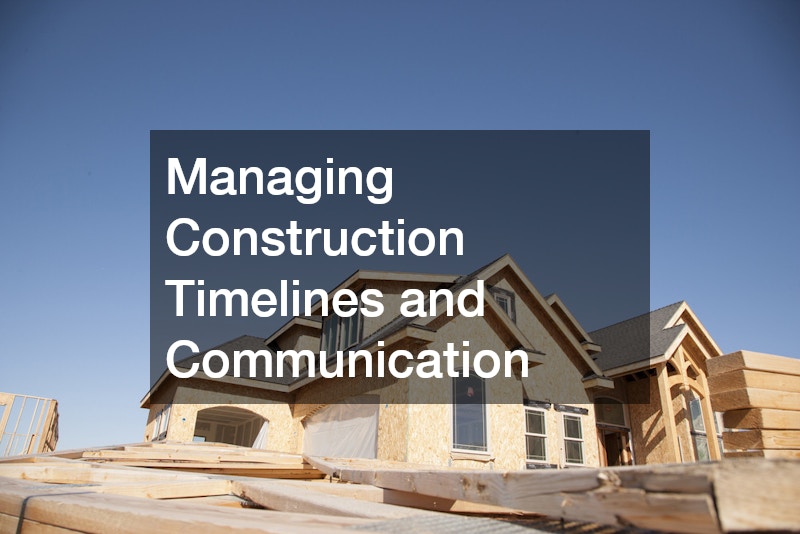
Once construction begins, effective communication becomes essential for keeping the project on track. Delays and adjustments are common, but they can be managed with proper planning and transparency.
New home construction services typically include scheduling oversight, inspections, and coordination with various trades. When combined with experienced custom home builders, these services help ensure a structured and efficient build process.
To improve communication and timeline management:
- Schedule regular progress meetings or updates
- Request written documentation for all changes
- Use shared tools or apps for tracking milestones
- Clarify approval processes for design modifications
- Prepare for seasonal or supply chain delays
Consistent communication helps reduce misunderstandings and keeps expectations aligned throughout the build.
Budgeting for a Custom Home Build Without Surprises
Budgeting is one of the most challenging aspects of building a home, but careful planning can significantly reduce stress and unexpected costs. It requires balancing vision with practicality, while also anticipating how decisions made early in the process will influence expenses later on. Without a clear financial framework, even small design changes can accumulate into significant overruns that are difficult to manage once construction is underway.
New homes vary widely in price depending on size, materials, and customization level. A larger footprint naturally increases structural and labor costs, while higher-end finishes, custom layouts, and specialized features can quickly shift a project into a different price range. Even seemingly minor upgrades—such as premium fixtures, upgraded insulation, or enhanced cabinetry—can have a compounding effect on the overall budget. Understanding these variables early helps you make informed decisions that align with your financial goals and prevent surprises during later stages of construction.
Home remodeling principles can also be useful when planning upgrades or adjustments during the construction process. Many of the same cost-control strategies used in renovations apply to new builds, especially when evaluating whether certain enhancements are necessary now or can be added later. For example, focusing on structural integrity and essential systems first allows more flexibility for aesthetic upgrades down the line. It also helps prioritize spending where it has the greatest long-term impact, rather than distributing funds evenly across all features.
Key budgeting strategies include a more detailed approach than simply setting a total figure at the beginning:
- Establishing a realistic total budget before design begins is essential because it sets the foundation for every decision that follows. This should be based not only on what you want to spend, but also on what similar projects in your area typically cost. A well-researched budget accounts for land preparation, permits, labor, materials, and finishing details so that expectations remain grounded in reality from the start.
- Setting aside contingency funds for unexpected costs is equally important. Even with careful planning, issues such as site conditions, supply delays, or design adjustments can arise during construction. A contingency buffer provides flexibility to handle these changes without disrupting the entire project or forcing compromises on essential features.
- Prioritizing essential features over optional upgrades helps ensure that core needs are met first. Structural quality, energy efficiency, and functional layout should always take precedence over cosmetic enhancements. Once the foundation of the home is secured within budget, remaining funds can be allocated to upgrades that improve comfort or aesthetics.
- Reviewing cost estimates at each construction phase allows for ongoing financial oversight. Instead of treating the budget as a static document, it should be revisited regularly as the project progresses. This helps identify potential overruns early and provides time to make adjustments before costs escalate further.
- Comparing material options for long-term value is another critical step. While lower-cost materials may reduce upfront expenses, they can sometimes lead to higher maintenance or replacement costs over time. Evaluating durability, energy efficiency, and lifecycle value ensures that financial decisions support both short-term affordability and long-term savings.
A well-structured budget ensures that your vision remains achievable without compromising financial stability. It provides a clear roadmap for decision-making throughout the construction process, helping you maintain control while still allowing flexibility where it matters most.
Final Walkthrough and Quality Assurance Checklist
As construction nears completion, the final walkthrough becomes a critical step in ensuring everything meets expectations. This stage is not just a formality—it is a detailed inspection period where homeowners should actively engage with the space, testing functionality, evaluating craftsmanship, and confirming that every component aligns with the original plans and selections. It is often the last opportunity to identify issues before moving in, making it essential to approach it with patience and attention to detail.
Local custom home builders typically guide homeowners through this process, walking room by room to explain installed systems, finishes, and structural elements. They also point out areas that may still need minor adjustments, such as paint touch-ups, hardware alignment, or trim refinements. This walkthrough is also when any outstanding items are formally recorded so they can be resolved before final approval. Having the builder present ensures questions are answered on the spot and that nothing is overlooked.
Modular homes also follow structured inspection procedures, though the process is often divided into multiple stages. Components are inspected during manufacturing, again after assembly, and once more after installation on-site. This layered approach helps ensure that everything fits correctly, systems are fully connected, and finishes remain consistent after transport and setup. It also reduces the likelihood of unexpected issues during the final walkthrough by addressing many potential concerns earlier in the process.
Before final approval, it is important to carefully test and observe key systems throughout the home. Plumbing should be checked by running multiple fixtures at once to ensure consistent pressure and proper drainage. Electrical systems should be evaluated by testing every outlet, switch, and installed fixture to confirm reliable operation. HVAC performance should also be assessed by adjusting temperature settings and verifying that airflow is balanced across all rooms.
Beyond mechanical systems, attention should be given to the overall craftsmanship of the interior. Flooring should be inspected for scratches, uneven areas, or gaps, while walls and ceilings should be reviewed under different lighting conditions to catch any paint inconsistencies or surface imperfections. Trim work, cabinetry, and countertops should be examined for alignment and secure installation, as even small inconsistencies can affect the overall finish of the space.
It is also essential to confirm that all design specifications have been properly executed. This includes checking that selected materials, finishes, and fixtures match what was originally approved during the design phase. Any upgrades or custom changes should be verified to ensure they were completed accurately and integrated seamlessly into the home’s overall design.
A thorough final inspection ensures that your home is move-in ready and meets the standards agreed upon at the beginning of the project. Taking the time to carefully evaluate both major systems and fine details helps ensure long-term satisfaction and confidence in the finished result.
Conclusion
Building a custom home is a complex but highly rewarding process that requires careful planning, collaboration, and informed decision-making. By working closely with experienced professionals and staying actively involved throughout each phase, homeowners can create a space that is both functional and deeply personal. A well-managed project not only results in a beautiful home but also provides long-term comfort, efficiency, and satisfaction for years to come.