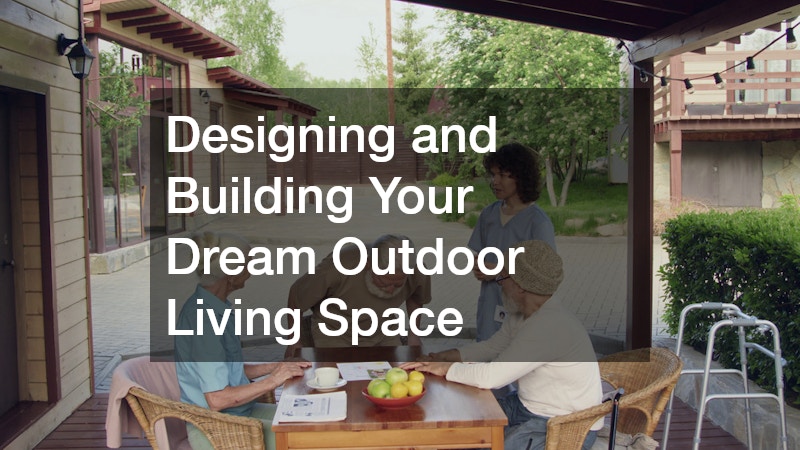
Designing and Building Your Dream Outdoor Living Space
The modern home no longer stops at the back door. Over the past several years, homeowners have fundamentally shifted how they view their properties, transforming backyards from simple patches of grass into sophisticated, functional extensions of their indoor living areas. A well-designed backyard retreat expands your usable square footage, enhances your daily well-being by connecting you with nature, and provides a customizable venue for hosting friends and family.
Investing in your property’s exterior footprint is more than just an aesthetic upgrade; it is a strategic lifestyle enhancement that pays dividends in daily enjoyment and long-term property value. However, creating a seamless transition from the couch to the canopy requires careful orchestration. It demands an understanding of spatial flow, material durability, climate management, and the technical infrastructure that keeps these spaces running smoothly.
Master Planning: Blending Architecture with Nature
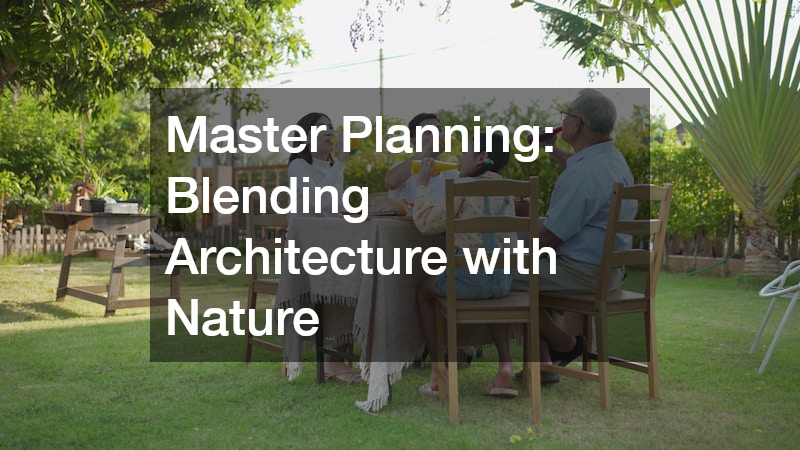
Before breaking ground or purchasing a single piece of furniture, you must treat your backyard as a blank floor plan. Successful design hinges on how well your new zones integrate with the existing layout of your home and the natural topography of your land. Begin by assessing environmental factors: track how the sun moves across your yard throughout the day, identify the direction of prevailing winds, and note areas where privacy from neighbors is lacking.
To make the space feel intuitive, apply the concept of outdoor zoning. Just as an indoor open-concept floor plan uses rugs and furniture arrangements to separate the kitchen from the living room, your backyard should feature distinct “rooms” dedicated to specific activities like dining, lounging, or recreation.
- Apply the inside-out view trick: Stand inside your home at your most-frequented windows, such as those in the kitchen or living room. Look out into the yard and identify your primary sightlines. Design your outdoor focal points, such as a beautiful fireplace or a sculptural garden feature, directly along these sightlines to create a visual pull that invites people outside.
- Map out traffic paths visually: Use a couple of garden hoses or extension cords to physically layout the perimeters of your planned patios and walkways. Walk through these zones repeatedly to ensure that foot traffic flows naturally and that nobody will feel cramped moving around furniture.
- Account for future architectural growth: Consider how your new exterior elements will align with potential future home additions. Planning ahead ensures that any structural changes you make today will not block future expansions or violate local municipal setback laws.
- Consult with professional planners early: Bringing in professional landscape design services during the initial drafting phase can save thousands of dollars in retrofitting. These experts analyze soil stability, calculate grading requirements, and ensure your spatial layout respects the natural ecosystem of your property while matching your aesthetic goals.
Setting the Foundation: Hardscaping and Structural Extensions
The foundation of any great outdoor living area lies in its hardscaping. This represents the permanent, structural elements that define your space, including patios, walkways, retaining walls, and decks. The materials you choose here dictate not only the visual style of your yard but also the amount of maintenance required over the next two decades.
When selecting ground covers, look beyond initial costs and focus on lifecycle durability. Poured concrete is highly customizable but prone to cracking in freeze-thaw climates. Natural stone offers timeless beauty but requires meticulous installation. Stamped concrete or interlocking concrete pavers provide an excellent balance of durability, slip resistance, and aesthetic flexibility.
- Prioritize proper sub-base preparation: The longevity of any patio depends entirely on what lies beneath it. Ensure your contractor excavates deep enough to clear out organic topsoil, replaces it with a compacted crushed stone aggregate base, and tops it with a sharp bedding sand layer.
- Incorporate smart drainage solutions: A flat patio is a failing patio. Ensure all hardscape surfaces are graded with a minimum one percent slope away from your home’s foundation to direct rainwater toward safe discharge zones or rain gardens.
- Utilize adjacent structures strategically: Look at how your existing house can support or shield your new outdoor space. Modifying an underutilized wall or tying into existing rooflines can make an outdoor room feel like a natural part of the original house layout rather than an afterthought.
- Partner with certified installation specialists: Entrusting your excavation and stone setting to a reputable paving company guarantees that your stone surfaces will remain level and free of pooling water for years to come. Furthermore, if you are looking to creatively expand your footprint, look into structural alterations like garage additions, which can be modified to feature rooftop decks or walk-out side pavilions that transition beautifully into your main patio.
The Culinary Oasis: Designing High-Function Cooking Zones

The days of rolling a rusty charcoal grill out of the shed are long gone. Today’s premier backyards feature fully integrated cooking environments that allow hosts to prepare complete gourmet meals without ever stepping inside away from their guests. A high-performance cooking zone requires the same careful attention to ergonomics and utility access as an indoor kitchen.
When planning this area, select materials that can withstand intense heat, freezing temperatures, and direct UV exposure. Marine-grade stainless steel cabinetry, poured concrete countertops, and natural stone veneer bases are the gold standards for durability. Wood framing should be entirely avoided in the immediate vicinity of cooking appliances to prevent fire hazards.
- Implement the landing strip rule: Always design your cooking counters with ample workspace on either side of the primary heat source. You need at least 24 inches of clear countertop on one side of the grill for raw platters and tools, and at least 18 inches on the other side for finished dishes.
- Position for wind and smoke safety: Determine the direction of the prevailing summer winds in your area. Situate your primary grilling station downwind from your main dining and lounging zones so your guests are never choked by smoke, heat, or strong cooking odors.
- Create a functional work triangle: Keep your prep station, cooking appliance, and refrigeration unit within a tight, efficient triangle. This minimizes unnecessary footsteps and keeps the chef engaged with the party.
- Build out a dedicated outdoor kitchen: Investing in a built-in outdoor kitchen transforms your backyard into a true entertainment hub. To maximize its utility, you must run robust utilities out to the island; this means hiring professional electrical services to install dedicated, weather-protected GFCI circuits capable of running outdoor refrigerators, ice makers, rotisserie motors, and high-powered task lighting safely in wet conditions.
Climate Control: Beating the Heat and Managing Nature

To get the most out of your investment, your outdoor space needs to remain comfortable through shifting seasons and erratic weather. Creating a localized microclimate involves managing solar heat gain, blocking chilly winds, and ensuring adequate airflow without feeling completely cut off from the fresh air.
Shelter structures like pergolas, pavilions, and gazebos provide excellent architectural definition while protecting you from the elements. However, you must strike a balance between structural additions and the natural elements already present on your property, such as mature trees and established garden beds.
- Incorporate adjustable shading solutions: Fixed roofs provide excellent protection from rain, but they can make an outdoor space feel dark during winter months. Louvered roof systems or retractable fabric systems allow you to welcome the sun on chilly spring mornings and block it out entirely during scorching summer afternoons.
- Install active air movement systems: Outdoor-rated ceiling fans are incredibly effective at keeping spaces cool. Additionally, the continuous downward draft from a fan creates a natural barrier that prevents mosquitoes and other flying insects from landing in your seating zone.
- Preserve and utilize existing shade canopies: Mature trees provide unmatched natural cooling through transpiration and shade. Work your design around these natural assets rather than clearing them out, ensuring you treat the environment with care during construction.
- Enlist specialty overhead and arbor contractors: Working with professional awning services allows you to install heavy-duty, motorized shade structures that can automatically retract during high-wind events to prevent damage. Simultaneously, you should bring in expert tree services to clear out dead weight, prune overhanging branches for safety, and carefully preserve the root zones of your large shade trees during patio excavation.
Atmosphere and Ambiance: Engineering the Perfect Evening Glow
An outdoor living space should not lose its utility the moment the sun dips below the horizon. In fact, with a thoughtful illumination strategy, your backyard can become even more enchanting and dramatic after dark than it is during the day. The secret lies in moving away from harsh, bright floodlights and instead layering your illumination to create a warm, welcoming glow.
To achieve a professional look, divide your exterior illumination into three distinct layers: ambient lighting for general visibility, task lighting for safety and functional areas, and accent lighting to highlight beautiful architectural and botanical features.
Prioritize low-voltage warm illumination: Stick exclusively to warm color temperatures, ideally between 2700K and 3000K. Anything higher will look sterile, cold, and reminiscent of a commercial parking lot. Low-voltage LED systems are incredibly energy-efficient and safe for DIY adjustments.
Hide your light sources: The goal of exterior illumination is to see the effect of the light, not the bulb itself. Conceal fixtures under step treads, beneath seating walls, behind boulders, or up within tree canopies to eliminate blinding glare.
Illuminate boundaries for depth: Instead of just lighting the patio floor, place weak accent lights on the perimeter fences or trees at the edge of your property. This draws the eye outward, making your entire property feel larger and removing the eerie feeling of looking out into a pitch-black abyss.- Invest in professional lighting design: Collaborating with an expert in lighting design allows you to create a customized plan that uses techniques like uplighting, moonlighting, and silhouetting to bring your garden to life at night. A comprehensive plan ensures all your fixtures are balanced, properly zoned, and seamlessly integrated into your home’s automated smart systems.
Finishing Touches: Weather-Resistant Comfort and Styling
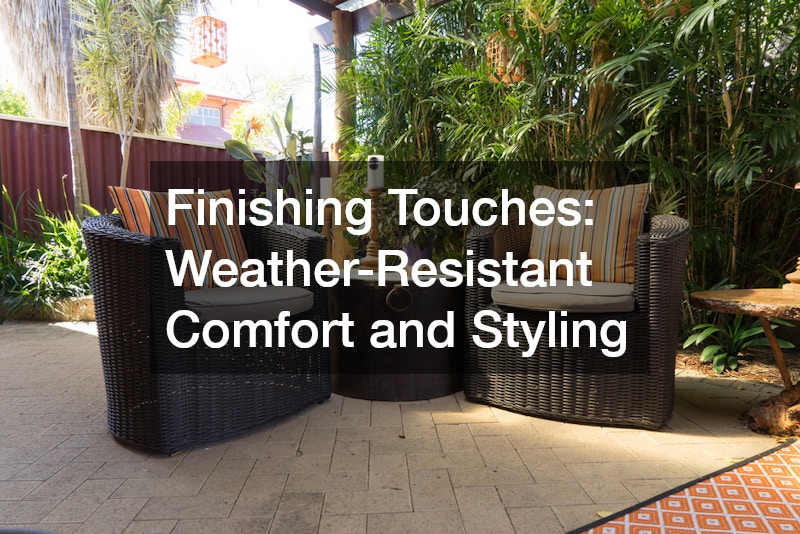
The structural work is complete, the utilities are connected, and the lighting is set. Now comes the stage that truly defines how comfortable and inviting your outdoor room will feel: the styling. The goal here is to select furnishings and textiles that offer the exact same level of plush comfort as your indoor living room, but with the rugged durability required to survive relentless sun, wind, and rain.
High-performance textiles are the secret weapon of premium outdoor spaces. Look for fabrics made from solution-dyed acrylics, which are saturated with color to the core of the yarn, making them highly resistant to UV fading, bleaching, and mold development.
- Inspect internal cushioning construction: The foam inside your outdoor furniture matters just as much as the outer fabric. Look for furniture that utilizes high-density, open-cell reticulated foam. This material allows rainwater to pour straight through the cushion rather than trapping it like a sponge, ensuring rapid drying times after a storm.
- Anchor spaces with performance rugs: An outdoor rug acts as the visual anchor for your seating arrangement, pulling disparate chairs and sofas into a cohesive conversation zone. Choose flat-woven polypropylene rugs that can be easily sprayed clean with a garden hose.
- Embrace a neutral foundation with vibrant accents: Purchase your large structural furniture pieces—like sofas, sectionals, and dining tables—in classic, timeless neutrals like charcoal, teak, beige, or navy. Use smaller, easily swappable elements like throw pillows, blankets, and tabletop lanterns to experiment with seasonal color trends.
- Invest in premium soft goods: When you are ready to buy outdoor cushions and pillows, don’t skrimp on quality. Look for brands that include built-in mesh drainage vents on the underside of the casings, which dramatically accelerates the drying process and keeps your seating pristine for years.
Building a comprehensive outdoor living space is an empowering journey that completely transforms how you experience your property. By treating the project with the same structural rigor, design philosophy, and technical care as an indoor renovation, you create a durable sanctuary that blends the comforts of modern living with the refreshing beauty of the outdoors.
While the scope of creating a multi-zoned backyard retreat can feel intimidating at first, remember that you do not have to build everything at once. A successful project can easily be approached in deliberate, calculated phases. You can lay down a rock-solid hardscape foundation and manage your tree canopy in year one, install your cooking utilities and structures in year two, and complete your custom illumination and styling in year three. By taking your time, selecting high-quality materials, and partnering with experienced professionals for specialized structural work, you will craft an outdoor haven that provides joy, relaxation, and beautiful memories for decades to come.