Maintenances and Installations for the Premier Outdoor Living Space
A premier outdoor living space is more than a concrete slab with a grill. In contemporary home design, it is a seamless extension of the interior that blends architectural elegance with natural beauty. When done correctly, the backyard becomes a sanctuary, entertainment hub, and visual masterpiece, adding value to the property and enhancing the homeowner’s quality of life. However, homeowners often struggle to balance the excitement of building a backyard oasis with the practical realities of weatherproofing, safety protocols, and seasonal upkeep. The dream of hosting twilight dinners or enjoying peaceful mornings by a fire can be overshadowed by cracked pavement, overgrown foliage, and failing elements if not approached with foresight. Building and sustaining a luxury outdoor retreat requires a strategic mix of thoughtful installations and proactive maintenance. It’s not enough to build a beautiful space; it must withstand nature and time. Consider strategies for your layout, selecting resilient materials, managing plant life, and upgrading amenities for year-round enjoyment. You can transform any yard into an enduring premier living space.
Laying the Groundwork: Master-Plan Your Terrain

The most common mistake made in outdoor living design is rushing to select furniture and finishes before the fundamental flow and structure of the land have been addressed. The topography of your yard dictates everything from water runoff to where you can safely place heavy structural elements. Before any ground is broken, you must map out high-traffic zones. Assess exactly how guests and family members will move between the back door, the dining area, the outdoor kitchen, and the fire pit. A poorly planned layout will lead to bottlenecks, awkward seating arrangements, and trampled grass in areas where a hard walkway should have been designated.
Proper grading and drainage are the invisible heroes of any lasting outdoor space. If water is allowed to pool around the foundation of your home or underneath your outdoor kitchen, the resulting hydrostatic pressure and moisture damage will be catastrophic. Consulting a professional landscaping contractor ensures these foundational elements are handled effectively before any surface work begins. They can install French drains, catch basins, and proper slopes that invisibly route rainwater away from your usable spaces.
When it comes to the surfaces themselves, you must choose permeable materials designed for long-term durability. While poured concrete is a common choice for basic patios, it is highly susceptible to cracking during freeze-thaw cycles because it lacks the flexibility to expand and contract with the earth. Instead, consider the following superior materials and structural tactics:
- Interlocking Pavers: These allow for slight shifts in the earth without cracking. If a paver is damaged, it can be easily lifted and replaced without tearing up the entire patio.
- Natural Flagstone: Offering a bespoke, organic aesthetic, thick flagstone set in polymeric sand provides excellent drainage and unparalleled longevity.
- Sub-Base Integrity: A luxury patio is only as strong as what lies beneath it. Excavating deep enough to add layers of compacted gravel and sand is non-negotiable.
- Structural Support: Partnering with a specialized hardscaping company guarantees that the base layers and retaining elements are structurally sound enough to support the immense weight of features like outdoor kitchens, heavy stone fireplaces, or hot tubs.
Cultivating a Lush, Resilient Canopy and Turf
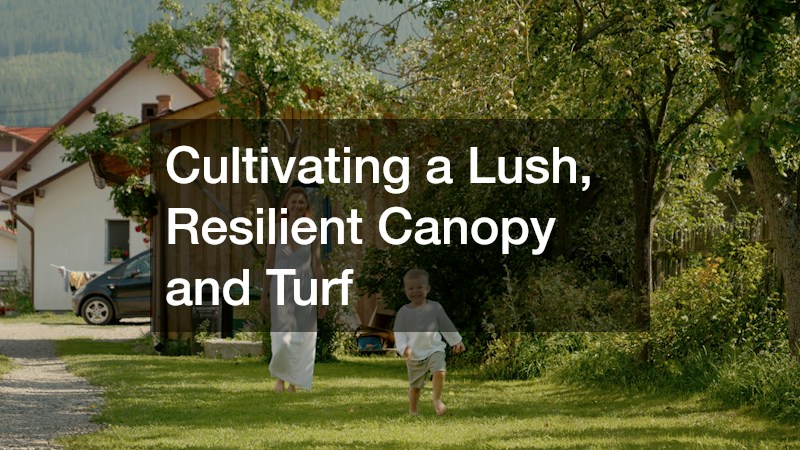
The architectural elements of your outdoor space provide the bones, but the living, breathing organic matter provides the soul. Managing the upper canopy of your property is just as critical as managing the soil beneath it. Large, mature trees offer invaluable shade and aesthetic grandeur, but they also pose significant risks if left unmanaged. You must schedule annual canopy audits to prevent property damage and ensure the longevity of the trees themselves.
Storm seasons, marked by high winds, heavy rain, and accumulating ice, can turn a majestic oak into a severe liability. Overhanging branches that appear healthy from the ground may actually be suffering from internal rot, disease, or structural weakness. An annual inspection involves looking for signs of distress, such as deep bark fissures, fungal growth at the base of the trunk, or V-shaped branch crotches that are prone to splitting. It is highly advised to utilize professional tree services for the safe, strategic pruning of these massive organisms. They can perform structural pruning that reduces wind resistance and removes deadwood, protecting the home’s roof and the patio underneath without harming the tree’s overall health or compromising its shape.
Beneath the canopy, the turf serves as the carpet of your outdoor living room. A patchy, weed-choked lawn will immediately detract from the luxury of your stone patios and custom pergolas. Implementing core aeration in the early fall is one of the most effective strategies for achieving thicker, more resilient grass. Over the summer, heavy foot traffic around the outdoor living areas compacts the soil, squeezing out the microscopic air pockets that roots need to absorb water and nutrients.
To maintain a pristine turf, incorporate the following practices into your annual routine:
- Core Aeration: Use a machine that pulls small, cylindrical plugs of soil from the ground. This relieves compaction, allowing roots to stretch and breathe, and creates channels for water to reach deep into the earth.
- Strategic Overseeding: Immediately following aeration, spread high-quality grass seed. The seeds will fall into the aeration holes, ensuring excellent soil contact and a higher germination rate.
- Routine Upkeep: Consistent lawn maintenance, including proper mowing heights (leaving grass slightly longer to shade the roots) and seasonal fertilization schedules, frames the luxury patio with a lush, carpet-like environment that can withstand the demands of outdoor entertaining.
- Soil Testing: Every two years, test the pH and nutrient levels of your soil. Turf cannot thrive if the soil is too acidic or lacks essential macronutrients like nitrogen and potassium.
Crafting Seamless Transitions with Custom Stonework
An expansive outdoor living space is rarely a single, flat plain. It usually consists of different zones—a dining deck, a lower lounge area, a pool surround—that must be connected gracefully. The transitions between these spaces are opportunities to showcase superior craftsmanship and create a cohesive design language that ties the backyard to the primary residence.
When introducing new stone features, such as an outdoor fireplace, seating walls, or a built-in grill island, matching the joint mortar to your home’s existing brickwork is a subtle yet transformative detail. Homeowners often focus entirely on picking the right stone, forgetting that the color, texture, and application technique of the grout heavily influence the final look. If the mortar of your new backyard features clashes with the historic brick of your home’s exterior, the addition will look disjointed and artificial. Achieving this level of visual cohesion requires a deep understanding of masonry services, as experts can mix custom pigments and employ specific tooling techniques to replicate the aesthetic of the primary structure while ensuring the materials are high-heat-resistant for fire features.
Elevation changes in a tiered backyard must be handled with mathematical precision to prioritize safety without sacrificing elegance. Connecting an upper dining patio to a lower garden or pool area requires careful calculation of the rise-and-run ratio for any transitional steps.
Keep these critical parameters in mind when planning elevation changes:
- The Golden Ratio: The mathematical rule of thumb for comfortable, safe outdoor stairs is typically a 6-inch rise (height) and a 12-inch run (depth). This accommodates the natural human stride and feels effortless to ascend or descend.
- Tread Overhang: Adding a slight, one-inch overhang (or bullnose edge) on the stair treads creates an elegant shadow line and provides a bit more foot space, enhancing both look and function.
- Hazard Prevention: Precision during a steps installation prevents trip hazards, which is especially important in areas that will be navigated at night or when wet from pool water.
- Integrated Lighting: Always plan to incorporate hardscape lighting into the risers or side walls of your stairs. Casting a soft, downward glow ensures that the transition is safely visible long after the sun has set.
Weatherproofing and Refining the Outdoor Lounge
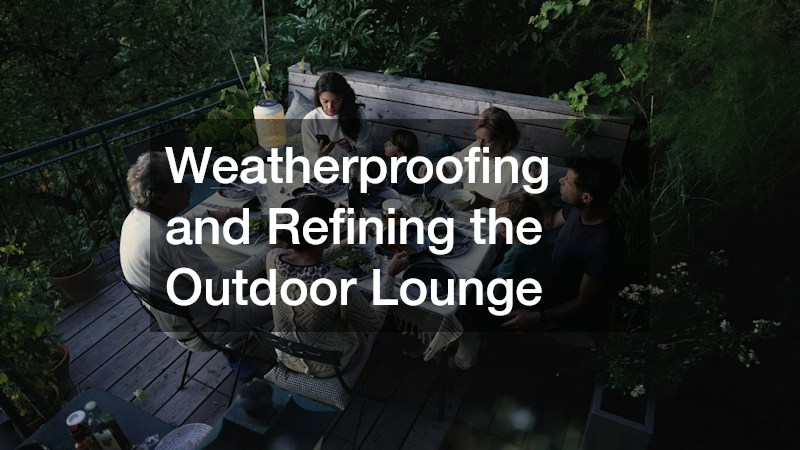
To classify as a premier space, an outdoor lounge must be usable beyond perfectly sunny, seventy-degree afternoons. Expanding the functional window of your backyard requires strategic weatherproofing that mitigates the extremes of summer heat, biting insects, and autumn chills.
Blocking UV rays and pests without sacrificing the natural breeze is a delicate balancing act. Many homeowners want to feel the outdoor air but quickly retreat indoors when mosquitoes swarm or the late afternoon sun becomes blinding. Integrating a modern patio screen enclosure is an exceptional way to extend the usability of the space into the buggy summer months and chilly autumn evenings. Today’s options are a far cry from the flimsy aluminum frames of the past; you can now utilize high-visibility, UV-blocking mesh that protects expensive outdoor furniture from sun fading while maintaining an unobstructed, crystal-clear view of the garden. Motorized retractable screens offer the ultimate luxury, allowing you to seamlessly open or close the space with the push of a button depending on the day’s specific weather conditions.
For the exposed architectural elements in your yard—such as custom wooden pergolas, cedar decking, and decorative trim—combating the elements is a continuous, necessary battle. Wood is incredibly beautiful, but it is highly susceptible to sun rot, moisture warping, and splintering if not properly shielded.
A rigorous maintenance timeline is required to keep wooden structures pristine:
- Annual Cleaning: Use a specialized wood cleaner and a soft-bristle brush to remove dirt, mold, and mildew. Avoid high-pressure power washing, which can gouge the wood fibers and cause irreparable damage.
- Surface Preparation: Every two to three years, the wood must be lightly sanded to smooth out raised grain and remove the remnants of old, failing sealants.
- Application: Apply high-quality, UV-resistant sealants or penetrating oils that condition the wood while providing a waterproof barrier.
- Professional Finishing: Because the prep work is so labor-intensive and critical to the final result, hiring meticulous residential painters to strip, sand, and appropriately coat these architectural accents ensures they will withstand the harsh elements without peeling or flaking.
Powering the Space and Sourcing Native Accents

A luxury outdoor space is defined by its modern conveniences, which means it requires a robust, invisible, and highly safe electrical infrastructure. You cannot run a premier outdoor kitchen, a comprehensive landscape lighting system, and outdoor heating elements on a single, standard exterior outlet. Planning the power grid of your backyard is a technical endeavor that must be executed flawlessly to prevent fire hazards and system overloads.
Installing weatherproof outlets on dedicated circuits is a foundational requirement. If you are operating an outdoor refrigerator, an electric smoker, and a surround sound system, these heavy loads need to be isolated on their own breakers at the main electrical panel. Safety protocols for outdoor power are incredibly strict for a reason; water and electricity are a fatal combination. Only licensed electricians should handle the underground trenching, conduit laying, and wiring required to power a luxury outdoor kitchen safely. They will ensure that every exterior receptacle is GFCI (Ground Fault Circuit Interrupter) protected and fitted with in-use waterproof covers, guaranteeing that a sudden rainstorm won’t result in a dangerous electrical short.
Once the infrastructure is hidden away, the final layer of refinement is the plant life that surrounds your seating areas. Selecting drought-tolerant native shrubs for low-friction care is a hallmark of intelligent, modern landscaping. You want your backyard to be a place of relaxation, not a source of endless weekend chores. By building your garden beds around flora that naturally thrives in your specific climate zone, you drastically reduce the need for constant watering, chemical fertilizers, and heavy pesticide treatments.
When sourcing these vital accents, prioritize the following approaches:
- Understand Microclimates: Take note of which areas of your yard receive punishing afternoon sun and which remain in deep, damp shade. Native plants must be placed in their preferred microclimate to truly thrive.
- Embrace Layering: Create visual depth by planting tall native evergreens in the back, mid-sized flowering shrubs in the center, and low-growing ground cover at the borders of your hardscaping.
- Support Local Ecology: Native plants have evolved alongside local pollinators. By planting them, you attract butterflies, hummingbirds, and beneficial insects that bring dynamic life and movement to your garden.
- Seek Specialized Knowledge: Visit local garden centers rather than generic big-box hardware stores. These regional experts cultivate plants adapted specifically to your area’s soil conditions and can provide tailored advice on necessary organic soil amendments to ensure your garden establishes deep, healthy roots.
A premier outdoor living area requires careful topographical planning, robust structural additions, and dedicated botanical care. Architecture and nature must be balanced to create a functional, enduring retreat. Rushing the process or cutting corners leads to costly repairs and a space that doesn’t meet its potential. Investing in high-quality materials, ensuring precision in installations, and maintaining seasonal, specialized care ensures a backyard remains a pristine, luxurious escape. The effort in planning and maintenance results in a serene oasis that enhances home life. Start evaluating your outdoor space today—whether drafting a new layout, inspecting your overhead canopy, or upgrading landscape lighting to enhance evening ambiance. The ultimate retreat is within reach for those willing to lay the proper groundwork.